
How I Blend Acrylic Paint Without Overthinking It
A simple approach that helped me stop fighting the paint and start understanding it

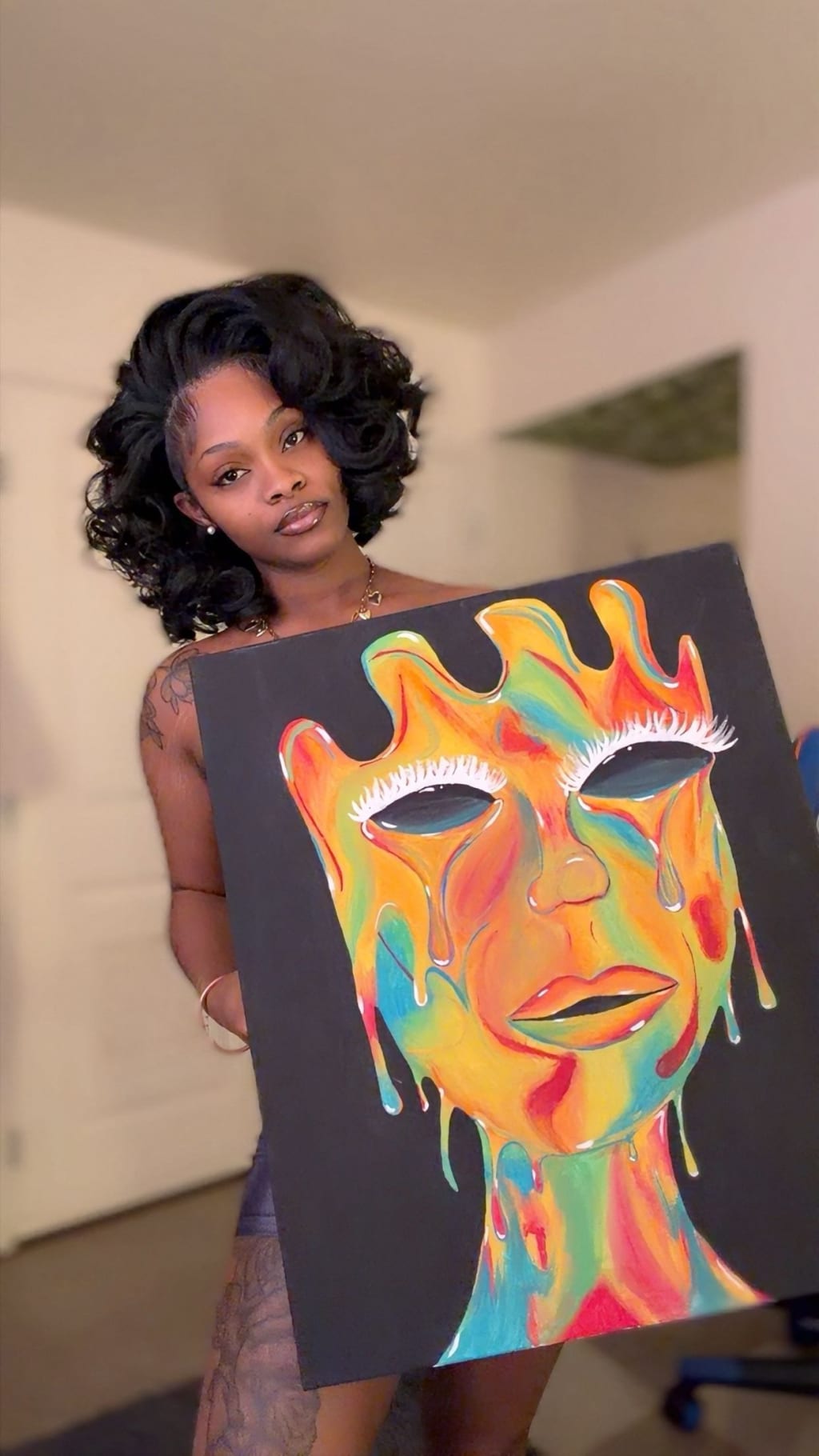
I used to overcomplicate blending acrylic paint.
At first, I thought it was supposed to look perfect immediately. Smooth transitions, no streaks, no visible effort. That expectation alone made the process frustrating. Acrylic dries fast, and if you’re trying to control every second of it, you end up working against the material instead of with it.
What changed for me was slowing down and paying attention to how the paint actually behaves.
Acrylic paint is not naturally forgiving. It dries quickly, sometimes before you even realize what’s happening. So instead of trying to rush and blend everything at once, I started working in smaller sections. That alone made a difference.
The first thing I focus on is having my colors ready before I start. I don’t mix while I’m blending anymore. I prepare at least two to three tones of the same color so I’m not scrambling mid process. That keeps the flow consistent and removes hesitation.
Then I lightly dampen my brush. Not soaked, just enough to give the paint a little more movement. Too much water breaks the pigment down, but a small amount helps extend the time you have to work with it.
When I apply the paint, I don’t press hard. That was one of my biggest mistakes early on. Pressing too much forces the paint around instead of letting it layer. Now I use lighter strokes and build gradually. It looks slower, but it actually gives better results.
Blending itself is less about forcing colors together and more about softening the edge between them. I go back and forth gently where the colors meet, not across the entire area. That keeps the transition controlled instead of muddy.
I also stopped expecting it to be perfect on the first pass. Most of the time, I let the first layer sit, then go back in once it’s slightly set. Layering has been more effective for me than trying to finish everything in one go.
There’s also a point where you have to stop touching it. Overworking the paint will ruin the blend faster than anything else. I had to learn that the hard way. If it starts looking dull or streaky, it usually means I’ve done too much.
Being based in Pittsburgh, I’ve spent a lot of time creating in my own space, without a structured studio environment. That forced me to figure things out through repetition instead of instruction. Over time, blending became less about technique and more about awareness.
Through my work under LAYMADEIT, I’ve started to understand that not everything needs to be controlled to look intentional. Some of the best transitions happen when you let the material do part of the work.
If you’re struggling with acrylic blending, it’s probably not because you’re doing everything wrong. You might just be trying to rush a process that responds better to patience and small adjustments.
Once I stopped forcing it, the results started making more sense.
Tags
how to blend acrylic paint
acrylic painting tips
beginner painting techniques
Lay Simone artist
LAYMADEIT art
painting techniques for beginners
mixed media artist tips
how to blend colors acrylic
artist process acrylic
Pittsburgh artist
About the Creator
Lay Simone
Lay Simone | Pittsburgh Artist exploring creativity growth and self reinvention. Founder of thelaysimone.com and creator of LayMadeIt. Connect with me on Instagram and Threads @mammaasss
Keep reading
More stories from Lay Simone and writers in Art and other communities.
Watching The End Of The World From The Diner
Introduction I am not sure how to approach this. Guy Peellaert was an amazing artist who created iconic fantasy images of famous people, usually musicians or politicians, as well as creating commissioned album covers such as "It's Only Rock'n'Roll" by The Rolling Stones and David Bowie's "Diamond Dogs" which you can read more about below.
By Mike Singleton 💜 Mikeydred 3 days ago in Art
How Brandon Cody Verran’s Experience Highlights the Importance of Practical Skills
In many discussions about career development, there is a strong focus on formal education and credentials. While these are important, practical experience often plays an equally significant role in shaping professional success.
By ORM_Specialist11 minutes ago in Art




Comments
There are no comments for this story
Be the first to respond and start the conversation.