
A Timeless Recipe for Better Health
Inspired by the traditional foods of Mediterranean countries, this diet is widely considered one of the healthiest eating patterns in the world.

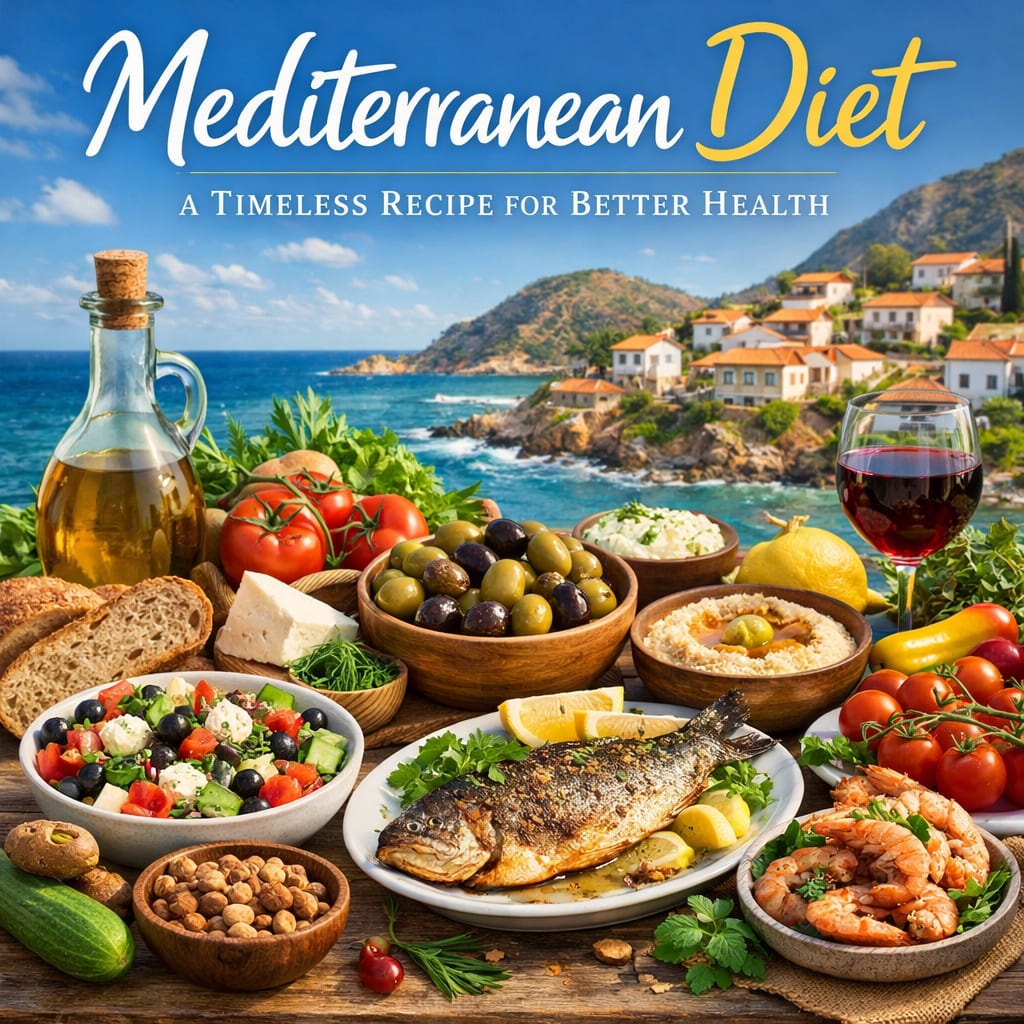
The Mediterranean region, stretching across Southern Europe, North Africa, and parts of the Middle East, is known not only for its beautiful landscapes and ancient civilizations but also for its remarkable culinary tradition. The Mediterranean diet, based on the traditional foods eaten in countries such as Greece, Italy, and Spain, has gained worldwide recognition for its significant health benefits. Over the past few decades, scientists and nutrition experts have repeatedly ranked it among the healthiest diets in the world.
At the heart of the Mediterranean diet is simplicity and freshness. Rather than relying on processed foods, this dietary pattern emphasizes whole, natural ingredients. Fresh vegetables, fruits, whole grains, beans, nuts, and seeds form the foundation of daily meals. Olive oil, particularly extra virgin olive oil, serves as the primary source of fat, replacing butter or other unhealthy fats commonly used in many modern diets.
One of the most important components of this diet is olive oil. Rich in healthy monounsaturated fats and antioxidants, olive oil helps reduce inflammation and supports heart health. Research has shown that regular consumption of olive oil can lower levels of harmful cholesterol while maintaining beneficial cholesterol levels. This simple ingredient is widely believed to play a major role in the long life expectancy seen in many Mediterranean populations.
Fish and seafood also play a central role in Mediterranean cuisine. People in coastal regions traditionally eat fish several times a week, providing the body with essential omega-3 fatty acids. These nutrients are known to protect the heart, support brain function, and reduce the risk of chronic diseases. Popular Mediterranean fish dishes often include grilled sardines, tuna, or salmon served with herbs, lemon, and olive oil.
Another key feature of the Mediterranean diet is the moderate consumption of dairy products such as yogurt and cheese. Instead of heavy cream-based dishes, meals often include small portions of fermented dairy like feta or yogurt, which provide calcium and beneficial probiotics for gut health. Poultry and eggs are eaten occasionally, while red meat is consumed only in small quantities or during special occasions.
Equally important is the diet’s strong emphasis on plant-based foods. Vegetables such as tomatoes, spinach, eggplants, and peppers are staples in many Mediterranean dishes. Legumes like lentils, chickpeas, and beans provide protein and fiber, making them excellent alternatives to meat. Whole grains such as barley, bulgur, and whole wheat bread are commonly eaten instead of refined carbohydrates.
The health benefits of the Mediterranean diet have been widely studied. Numerous scientific studies have shown that people who follow this dietary pattern have a lower risk of heart disease, stroke, and type 2 diabetes. It is also associated with better weight management and improved metabolic health. Many doctors recommend this diet to patients looking to improve their long-term health without following extreme or restrictive eating plans.
Another fascinating aspect of the Mediterranean lifestyle is that it goes beyond food. In Mediterranean cultures, meals are often shared with family and friends, creating a strong social connection. Eating slowly and enjoying food as part of a communal experience can improve digestion and reduce stress. Physical activity, such as walking through villages or working outdoors, also forms a natural part of daily life in these regions.
Countries surrounding the Mediterranean Sea often rank among those with the highest life expectancies in the world. Some researchers believe that the Mediterranean diet plays a major role in this longevity. In places like Greece and parts of Italy, older generations who have followed this traditional diet for decades often show remarkably low rates of chronic diseases compared with populations in countries that rely heavily on processed foods.
Today, the Mediterranean diet has become popular worldwide, recommended by nutritionists, doctors, and health organizations. It is not a strict diet with rigid rules but rather a flexible way of eating that focuses on balance, freshness, and moderation. By emphasizing natural ingredients and reducing processed foods, this dietary pattern offers a sustainable path toward healthier living.
In a world increasingly dominated by fast food and highly processed meals, the Mediterranean diet provides a refreshing reminder that simple, traditional foods can still offer some of the greatest benefits for human health. By adopting even a few elements of this ancient eating style—such as cooking with olive oil, eating more vegetables, and enjoying fish regularly—people everywhere can move toward a healthier and more balanced lifestyle.
About the Creator
Irshad Abbasi
Ali ibn Abi Talib (RA) said 📚
“Knowledge is better than wealth, because knowledge protects you, while you have to protect wealth.
Keep reading
More stories from Irshad Abbasi and writers in Chapters and other communities.
Japan Plans to Build the World’s Tallest Wooden Skyscraper
In an era when cities around the world are searching for sustainable solutions to reduce carbon emissions, Japan has proposed an extraordinary architectural project: building the world’s tallest wooden skyscraper. The ambitious plan, introduced by the Japanese company Sumitomo Forestry, aims to transform the skyline of Tokyo while showcasing the potential of timber as a modern construction material.
By Irshad Abbasi a day ago in Chapters
Innovative Funding Platforms Expanding Growth Opportunities for Mid-Sized Companies
Mid-sized companies often sit in a challenging position within the financial ecosystem. They are typically too large to rely on early-stage funding sources such as personal capital or small grants, yet they may not meet the strict lending requirements of traditional banks. As a result, innovative funding platforms have emerged to bridge this financing gap and provide new pathways for growth.
By James Cretellaa day ago in Chapters


Comments
There are no comments for this story
Be the first to respond and start the conversation.