
The Resignation of Joe Kent: A Stinging Rebuke of US Iran Policy
The Resignation of Joe Kent

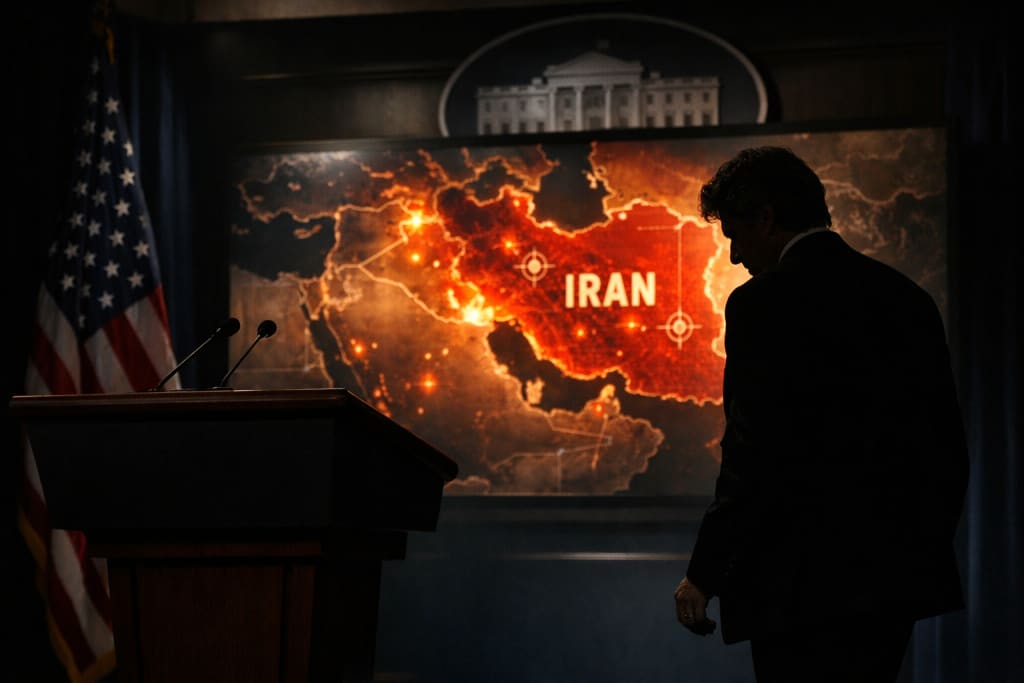
The Resignation of Joe Kent: A Stinging Rebuke of US Iran Policy
In a move that sent ripples through Washington D.C. and beyond, Joe Kent, the Director of the National Counterterrorism Center (NCTC), abruptly resigned from his post on March 17, 2026. Kent, a decorated veteran and a former Republican congressional candidate, had been a staunch supporter of the Trump administration. His departure, however, was not a quiet exit but a vocal protest against the administration's escalating war with Iran, sparking intense debate about the rationale behind US foreign policy in the Middle East [1] [2].
## A Veteran's Dissent: The Core of Kent's Resignation
Joe Kent's resignation letter laid bare his profound disagreement with the Trump administration's approach to Iran. At the heart of his dissent was the assertion that Iran posed no imminent threat to the United States. In his scathing resignation letter, Kent argued that the war was not a necessary measure to protect American interests but rather the result of pressure from Israel and its influential lobby in the United States [3].
> "As a veteran who has deployed to the Middle East, I have seen firsthand the consequences of wars fought without clear objectives," Kent wrote. "I cannot, in good conscience, support a war that I believe is not in the national security interest of the United States." [4]
This public rebuke from a high-ranking official, particularly one with Kent's military background and previous loyalty to the administration, has been described by political analysts as a "stunning defection" [2]. It has amplified concerns about the transparency and justification of the administration's foreign policy decisions.
## The Aftermath: Trump's Reaction and Political Fallout
President Trump's response to Kent's resignation was characteristically dismissive. He told reporters, "It's a good thing he's out," and rejected Kent's assessment of the situation, reaffirming his commitment to the military campaign against Iran [5]. This reaction, however, did little to quell the growing controversy.
| Key Figure | Stance on Joe Kent's Resignation | Direct Quote/Summary |
|---|---|---|
| **Joe Kent** | Opposed to the Iran war, citing lack of imminent threat and external pressures. | "Iran posed no imminent threat to our nation." [3] |
| **Donald Trump** | Dismissive of Kent's concerns, reaffirming the necessity of the war. | "It's a good thing that he's out." [5] |
The resignation has ignited a firestorm of debate within the US intelligence and national security communities. Kent's departure has emboldened critics who question the legality and strategic wisdom of the war. It has also shed light on the deep divisions within the administration and the broader foreign policy establishment regarding the appropriate course of action in the Middle East.
## Broader Implications: A Question of Influence and Strategy
Beyond the immediate political drama, Joe Kent's resignation raises fundamental questions about the formulation of US foreign policy. His allegations of external influence, specifically from Israel, have brought a sensitive and often-avoided topic to the forefront of public discourse. The incident forces a critical examination of the extent to which foreign interests shape American strategic decisions, particularly in a region as volatile as the Middle East.
Furthermore, the departure of a top counterterrorism official in protest of a major military conflict highlights a potential crisis of confidence within the very institutions tasked with protecting the nation. Kent's actions may encourage other officials to voice their dissent, potentially leading to further instability within the administration and a more fragmented approach to national security.
The long-term consequences of this event are yet to be seen. However, Joe Kent's principled stand has undeniably left a lasting mark on the political landscape. His resignation serves as a powerful reminder of the moral and strategic complexities of modern warfare and the profound responsibility that rests on the shoulders of those in power. As the conflict with Iran continues to unfold, the questions raised by Kent's departure will undoubtedly continue to resonate, shaping the debate over America's role in the world for years to come.
About the Creator
America today
Breaking news, political insights, real-time analysis, U.S. politics, global politics, elections, government policies, international relations, diplomacy, political debates, trending political stories, expert commentary, factual reporting,.
Keep reading
More stories from America today and writers in Criminal and other communities.
OMB Bloodbath Indicted Again As Feds Seek Conviction In Gang Related Murder
If the street life isn’t enough for some people, it may be too much for others. For OMB Bloodbath, an indictment might be an example of the latter. The prosecution is seeking to see her put behind bars for a gang-related murder of an innocent bystander.
By Skyler Saundersa day ago in Criminal


Comments
There are no comments for this story
Be the first to respond and start the conversation.