
Turning Buildings into Carbon Sinks: The Biochar Revolution in Construction
How Incorporating Biochar into Concrete and Asphalt is Redefining "Net Zero" Infrastructure
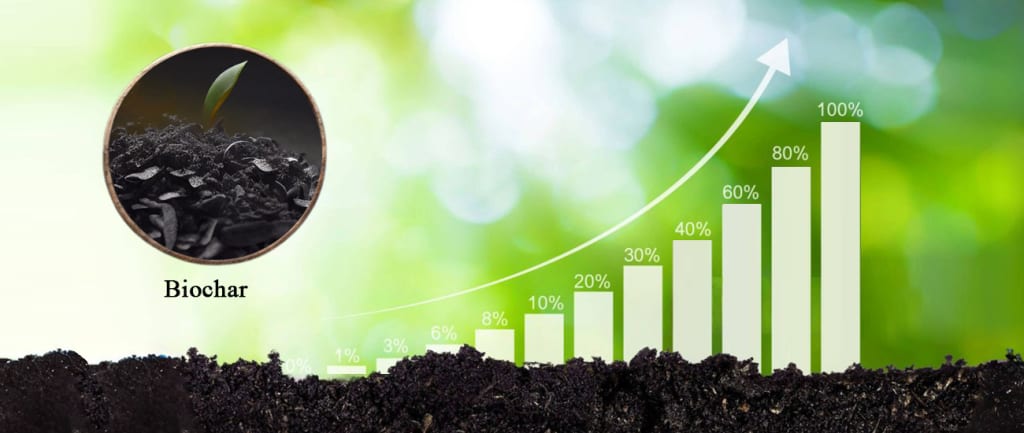
The global construction industry is at a crossroads. Responsible for nearly 40% of global energy-related carbon emissions, the sector is under immense pressure to decarbonize. While "carbon neutral" was once the gold standard, a new contender has emerged that aims higher: Carbon-Negative Construction.
The secret ingredient? Biochar. By locking carbon into the very foundations of our cities—our roads and buildings—we are transitioning from merely reducing harm to actively healing the planet.
What is Biochar?
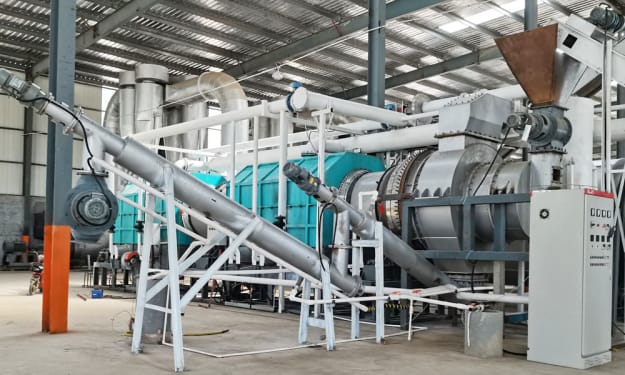
Biochar is a charcoal-like substance produced through pyrolysis—the process of heating organic biomass (such as agricultural waste, wood scraps, or sewage sludge) in an oxygen-limited environment. To produce high-quality biochar, welcome visit biochar machine.
Instead of allowing plant matter to decay and release CO2 back into the atmosphere, pyrolysis captures that carbon in a stable, solid form that can last for centuries. When we mix this material into construction mediums, we effectively turn our infrastructure into a massive "carbon vault."
- Carbon Sequestration: Every ton of biochar can sequester roughly 2.5 to 3 tons of CO2 equivalent. By embedding it in concrete, we offset the high "embodied carbon" of the cement.
- Improved Insulation: Biochar is naturally porous. This porosity trapped within concrete walls improves thermal insulation, reducing the energy required to heat or cool buildings.
- Humidity Control: The "breathable" nature of biochar-infused concrete helps regulate indoor humidity, creating a healthier living environment and preventing mold.
- The Math of Sustainability: If we replaced just 1% of global concrete aggregate with biochar, we could potentially sequester billions of tons of carbon annually, moving the needle closer to a "Carbon Negative" reality.
Biochar in Concrete: Strengthening the Urban Skeleton
Concrete is the most consumed man-made substance on Earth. Its primary binder, cement, is a massive carbon polluter. However, replacing 1% to 10% of cement or fine aggregate with biochar offers a dual-action benefit:
1. Internal Curing & Strength
Biochar is highly porous. These pores act as internal "water reservoirs." During the curing process, they slowly release moisture, ensuring more complete hydration of the cement. This can lead to a denser microstructure and, in some engineered mixes, higher long-term compressive strength.
2. Thermal and Acoustic Insulation
The microscopic air pockets within biochar reduce the thermal conductivity of concrete. Buildings constructed with biochar-infused walls require significantly less energy for heating and cooling, addressing the "operational carbon" of a building throughout its lifecycle.
3. Humidity Regulation
Biochar's "breathability" allows concrete to regulate indoor humidity levels. It absorbs excess moisture during humid days and releases it when the air is dry, naturally preventing mold growth and enhancing indoor air quality.
The Carbon Math: Every ton of biochar can sequester approximately 2.5 to 3 tons of CO2 equivalent. If we replaced just 1% of global concrete aggregate with biochar, we could sequester billions of tons of carbon annually.
Biochar in Asphalt: Paving the Way for Greener Roads
Road construction is traditionally a high-heat, high-emission endeavor. However, biochar is proving to be a game-changer for the "blacktop."
- Aging Resistance: Biochar acts as an antioxidant in asphalt binders. It slows down the oxidative aging caused by UV rays and weather, meaning roads last longer and require less frequent repairs.
- Rutting Resistance: The addition of biochar increases the stiffness of the asphalt at high temperatures, preventing the "rutting" (permanent indentation) caused by heavy truck traffic.
- Noise Reduction: The porous structure of biochar can even help dampen tire-to-road noise, making urban environments quieter.
The Challenges: From Lab to Landmark
While the potential is staggering, the road to "Carbon Negative" cities isn't without speed bumps.
- Structural Integrity: Adding too much biochar can sometimes reduce the compressive strength of concrete. Engineers are currently fine-tuning the "sweet spot" (usually around 2-5% replacement) where carbon storage and strength are perfectly balanced.
- Standardization: Building codes are strict. To see biochar used in skyscrapers and highways, we need standardized certifications to prove long-term durability.
- Supply Chain: Scaling up pyrolysis plants to meet the demands of the global construction industry requires significant investment.
The Future is "Solid"
We are moving toward a future where our skyscrapers act like forests and our highways act like carbon filters. By treating carbon not as a waste gas to be avoided, but as a solid building block to be utilized, the construction industry is evolving.
Biochar-infused materials represent a bridge between our industrial past and a regenerative future. As technology advances and costs decrease, "Carbon Negative" will no longer be a buzzword—it will be the foundation of the modern world.
About the Creator
A Timely Reminder About The One Threat To Us All
It's still a collosal problem. And we are stuck between rocks and hardplaces, and getting more trapped by the year. And while everybody wants to scream, yell, and pound their fists about every other issue they claim to care about, people have slowly begun to voice their feelings much less about how petroleum is both pivotal to our existence, and a source of our problems.
By The Man Behind The Maskabout 12 hours ago in Earth
The Ancient Meteorite That Changed Earth’s Climate
Throughout Earth’s long and dramatic history, many natural events have shaped the planet’s climate and life. Among the most powerful of these events are meteorite impacts. Scientists believe that one of the earliest and most significant meteorite collisions with Earth may have played a crucial role in ending the last great ice age and transforming the planet’s environment.
By Irshad Abbasi 3 days ago in Earth


Comments
There are no comments for this story
Be the first to respond and start the conversation.