
Foraging Appalachia’s Wild Edibles
Discovering Edible Plants, Fungi, and Fruits Across Mountain Landscapes

It's that time of year again and Appalachia offers a remarkable abundance for anyone willing to learn its seasonal gifts and practice careful gathering. Across ridges, holler's, stream-side's, and meadows, edible plants, berries, roots, and fungi appear through every part of year. Knowledge is key and teaches not only what can be eaten, but also how to gather with respect so that these resources remain available far into future.
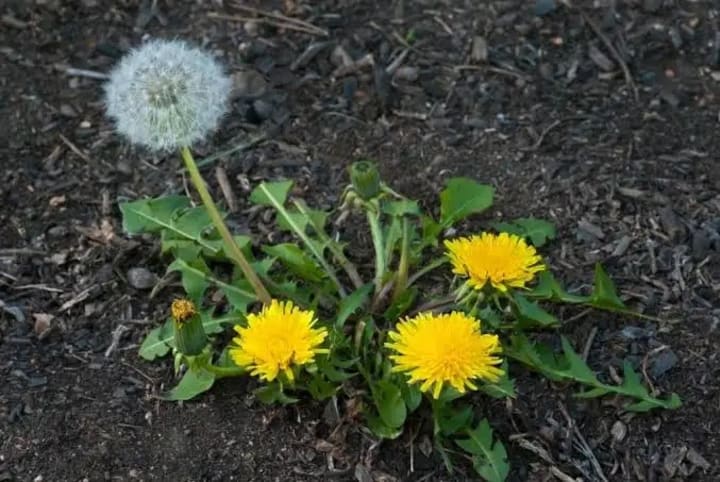
Dandelion stands as one of most accessible wild foods. Many people overlook it as a simple yard plant, yet it provides nutrition from root to bright yellow top. Young greens add a sharp, slightly bitter flavor to salads or can be sautéed for a milder taste. Roots, when cleaned and roasted, create a rich drink often compared to coffee. Even unopened buds can be pickled for a tangy addition to meals. Because it grows widely and vigorously, dandelion offers a forgiving introduction to foraging and encourages confidence for beginners.
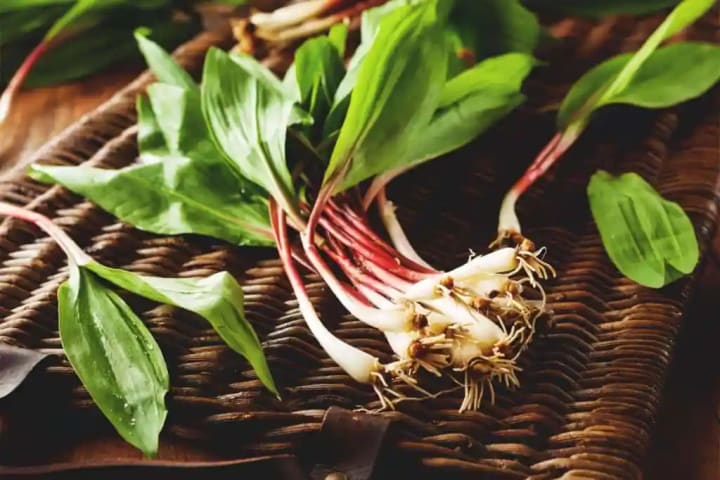
Ramps, sometimes called wild leeks, signal arrival of spring across mountain terrain. Their strong aroma blends garlic and onion into a single powerful ingredient cherished by many cooks. However, ramps grow slowly and require careful harvesting. Ethical gatherers never remove entire clusters. Instead, they may take a single bulb from a patch or cut one green blade while leaving rest intact. This method allows plants to regenerate and ensures continued growth over many seasons. Respect for ramps has become especially important due to rising popularity and overharvesting in some regions.
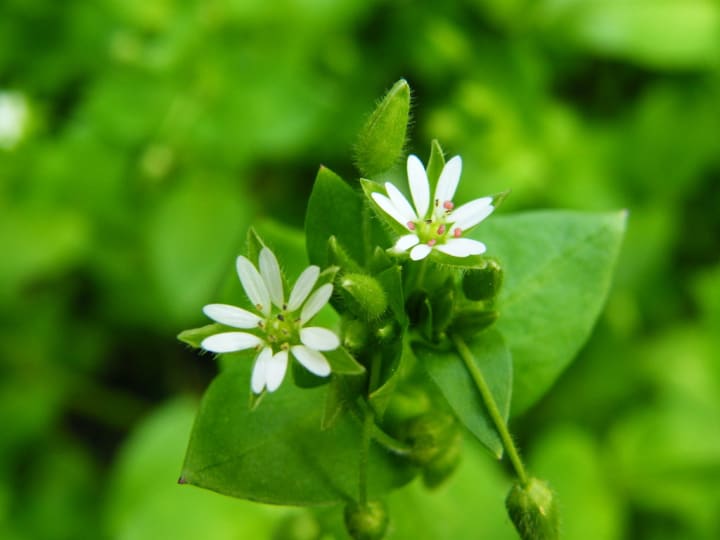
Chickweed appears early as well, often forming soft mats across moist ground. Its mild flavor suits fresh salads, pestos, or light cooking. Alongside chickweed, wild garlic emerges, offering a sharper taste that enhances soups, eggs, and savory dishes. Both plants demonstrate how early spring provides nourishment after colder months, bridging gap between stored foods and fresh growth.
Nettles present another valuable resource, though they require careful handling. Fine hairs along stems and surfaces can irritate skin, yet cooking removes this effect entirely. Once prepared, nettles offer a flavor similar to spinach and provide high levels of vitamins and minerals. Many foragers gather young shoots for soups, teas, or sautéed dishes. Gloves or careful technique allow safe harvesting without discomfort.
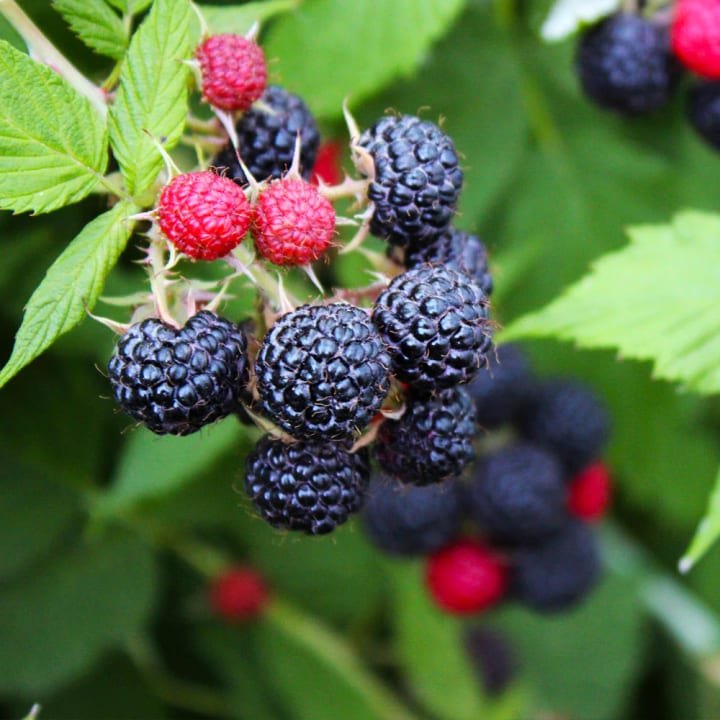
As weather warms, berry season begins. Blackberries and raspberries spread across open areas and forest margins, producing sweet fruit that can be eaten fresh or preserved through jams and syrups. Blueberries also thrive in certain high elevation zones, offering another source of natural sweetness. These fruits support wildlife as well, so gatherers should always leave plenty behind. Sharing ensures a balanced environment and continued abundance.
Sumac offers a different kind of flavor, bringing a tart, citrus like quality to drinks and dishes. Red clusters can be steeped in water to create a refreshing beverage often compared to lemonade. This plant thrives along roadsides and sunny clearings, making it relatively easy to locate. However, correct identification remains important, since similar species may not provide same qualities.
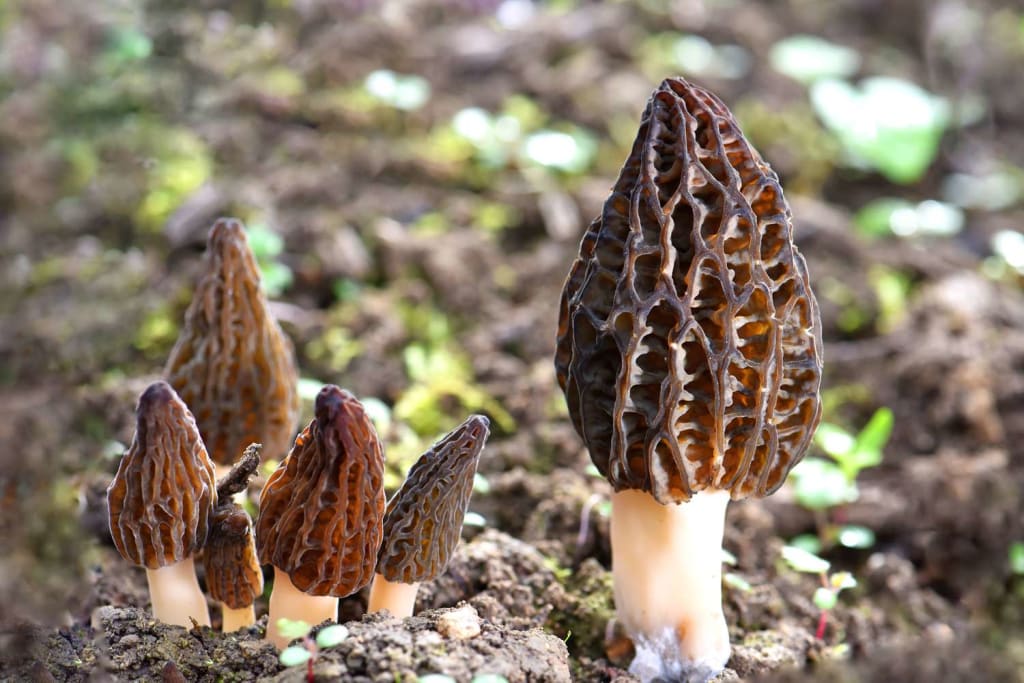
Mushrooms form a fascinating and complex part of Appalachian foraging. Morels rank among most sought after varieties. Their honeycomb appearance makes them easier to recognize, yet proper identification remains essential. Morels often appear near old orchards, disturbed soil, or areas recovering from fire. Their rich, earthy taste makes them a prized ingredient for many dishes.
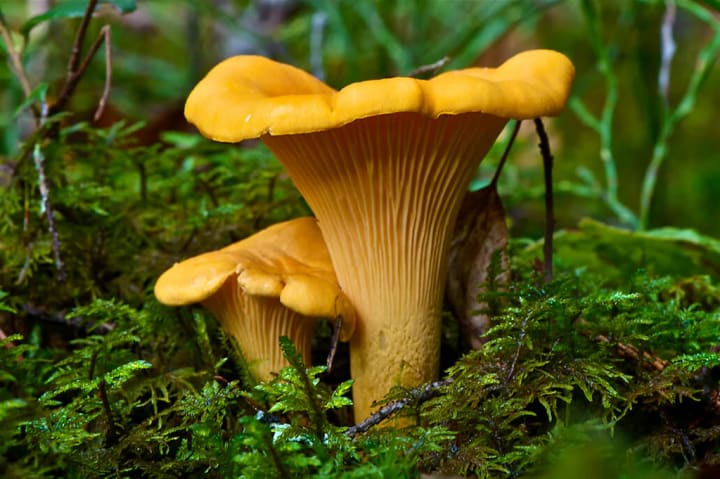
Chanterelles offer another beloved option, known for golden color and subtle fruity scent. These mushrooms grow during warmer months, often near hardwood areas and moist ground. Their firm texture and mild flavor make them suitable for sautéing, soups, or sauces. However, many toxic mushrooms resemble edible varieties, so beginners should always consult experienced guides or field manuals before consuming any wild fungi.
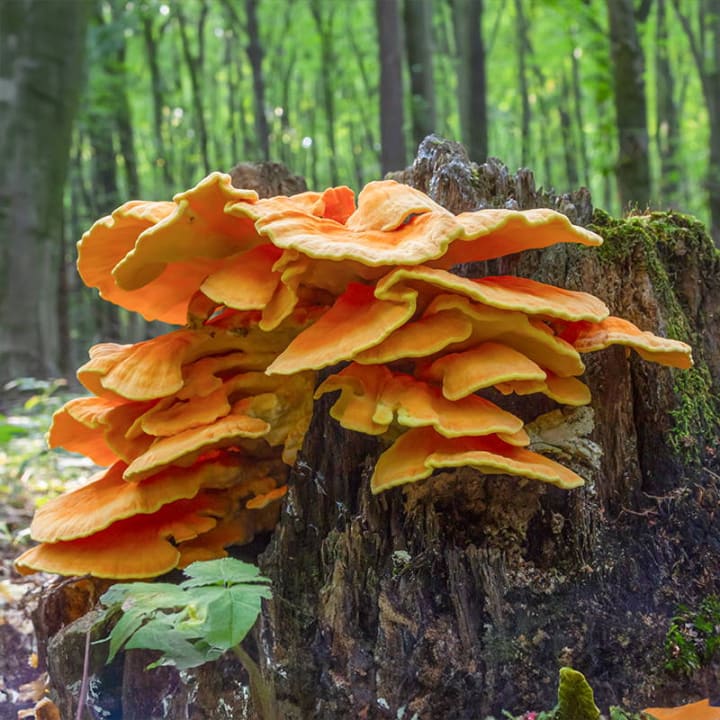
Chicken of the woods, named for its texture and flavor, grows on decaying logs and stumps. Its bright orange and yellow coloring makes it easier to spot, yet it still requires careful verification. When prepared properly, it provides a satisfying meat like alternative for many meals.
Wintergreen remains a reliable presence throughout colder months. Its glossy green growth carries a distinct minty aroma. Chewing it releases a cooling sensation, while steeping it creates a flavorful tea. This plant demonstrates how foraging does not end with summer or fall but continues through winter with patience and observation.
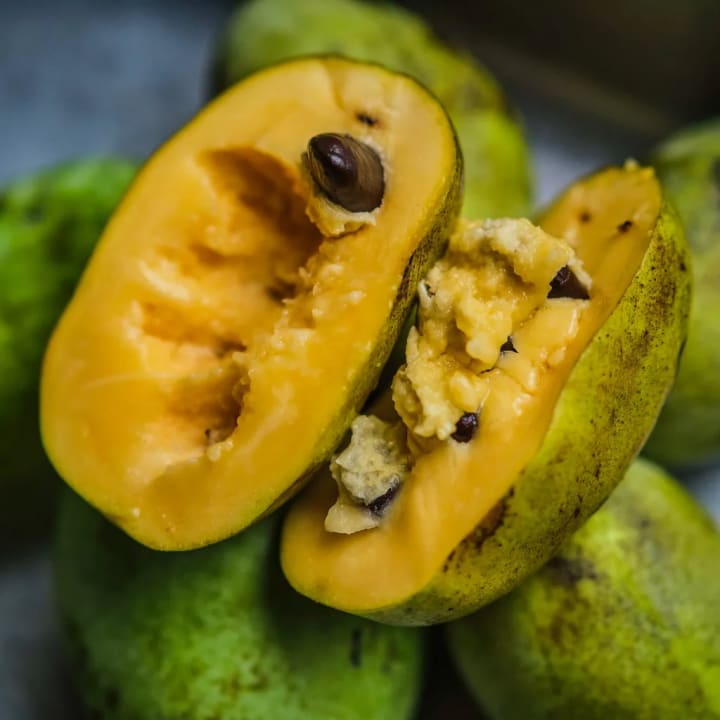
Pawpaws represent one of most unique fruits found across Appalachia. Often hidden within shaded riverbanks and lowlands, these fruits ripen during late summer into early fall. Their soft, custard like flesh carries a flavor reminiscent of banana, mango, and vanilla combined. Because pawpaws do not store well, they rarely appear in stores, making wild gathering one of few ways to enjoy them fresh. Foragers often watch for fallen fruit as a sign of ripeness, since mature pawpaws drop naturally.
Acorns, though often overlooked, provide another valuable food source. With proper preparation to remove tannins, they can be ground into flour or used in various recipes. This process requires soaking and patience, yet it reflects traditional knowledge that transforms a common resource into nourishing food.
Wild grapes climb across many areas, producing clusters suitable for fresh eating or preservation. Their tartness lends itself well to juices, jellies, and wines. Similarly, persimmons ripen late in year, offering a sweet treat once fully softened. Unripe persimmons can be extremely astringent, so timing remains crucial.
Foraging extends beyond food into medicinal uses as well. Plants such as plantain, yarrow, and elderberry have long histories within traditional practices. While modern research continues to explore their benefits, many communities still rely on this knowledge for teas, salves, and remedies. Responsible use requires careful study and respect for both plant and person.
Ethical foraging stands at center of all these practices. Gathering should never harm population health or surrounding environment. A common guideline suggests taking no more than a small portion from any patch, often around ten percent or less. This ensures that plants continue to thrive and reproduce. Avoiding areas exposed to pollution, pesticides, or heavy traffic also protects both gatherer and ecosystem.
Awareness of local regulations remains important as well. Some lands restrict harvesting, while others permit it under specific conditions. Respecting these rules helps preserve natural areas and maintain access for others. Building relationships with landowners or community members can also support sustainable practices.
Seasonal awareness enhances success and safety. Each plant follows its own cycle, appearing at specific times and locations. Keeping a journal or record of observations can help track patterns year after year. Over time, this knowledge deepens connection with land and improves ability to locate resources.
Education plays a crucial role in safe foraging. Field guides, workshops, and mentorship from experienced gatherers provide valuable insight. Misidentification can lead to illness, especially with mushrooms or similar looking plants. Taking time to learn details such as shape, color, habitat, and growth pattern reduces risk and builds confidence.
Preparation methods also influence flavor and safety. Some plants taste best when young, while others require cooking to remove bitterness or toxins. Experimenting with recipes allows foragers to incorporate wild foods into daily meals in creative ways. From soups and stews to teas and preserves, these ingredients bring variety and depth to cooking.
Community often surrounds foraging traditions. Sharing knowledge, recipes, and experiences strengthens cultural ties and fosters appreciation for natural resources. Festivals celebrating ramps or other seasonal foods highlight this connection and encourage responsible enjoyment.
Ultimately, foraging across Appalachia offers more than nourishment. It provides a way to engage with landscape, observe seasonal change, and participate in a tradition rooted in respect and sustainability. By gathering thoughtfully and learning continuously, anyone can discover a wide range of edible plants and fungi while helping ensure that these resources remain abundant for generations to come.
About the Creator
Tim Carmichael
I’m a firm believer life is messy, beautiful, and too short, which is why I write poems full of heart and humor. I am an Appalachian poet and cookbook author. My book Beautiful and Brutal Things is on Amazon, Link 👇
Keep reading
More stories from Tim Carmichael and writers in Feast and other communities.
’Tis the Season for Apple Stack Cake in Appalachia
Apple Stack Cake holds a special place in Appalachian food traditions. Often served during Thanksgiving and Christmas, this layered dessert reflects the ingenuity and resourcefulness of mountain cooks. Unlike typical cakes, Apple Stack Cake is made from several thin layers of cake stacked with a spiced apple filling. The layers are firm, more like a cookie than a soft sponge, and the filling made from apples, sugar, and warming spices softens the cake over time.
By Tim Carmichael4 months ago in Feast
The Greek Secret to a Healthy Heart
When it comes to heart health, few places in the world have captured as much scientific and cultural attention as Greece. For decades, researchers have studied why people living in parts of Crete and other Greek regions experience remarkably low rates of heart disease. The answer lies not in a single factor, but in a powerful combination of diet, lifestyle, and mindset that together form what is widely known as the Mediterranean way of life.
By Irshad Abbasi 6 days ago in Feast
Australia’s Oldest Scientist Shows No Signs of Retirement
In an era where retirement is often seen as a natural milestone, one Australian scientist is challenging the norms. At 95 years old, Dr. Eleanor Mitchell, recognized as one of Australia’s oldest active researchers, continues to spend her days in the laboratory, driven by an unwavering passion for science. Despite decades of contributions to the field of biochemistry, she insists that retirement is not on her agenda.
By Irshad Abbasi 6 days ago in Feast
Life will find a way
One cocoon twitches; my screaming must have disturbed it. It’s followed by a sound like the shaking of a cobra’s tail. A dry rattle sends a shiver down my spine. The rest of the cocoons respond the same way, as if communicating with one another; the cave fills with rattling. The glow becomes stronger as they vibrate and bathes the cave floor in an eerie blue light.
By N J Delmas6 days ago in Chapters



Comments (3)
This is awesome! I’ve always wanted to learn about wild foraging and your writing makes it easy!
Great article. I haven't tried the pawpaw, but I have heard it's really lovely. I have sumac in my cupboard right now. But I am horrifically allergic to Dandelions, and they are everywhere. I almost ended up in the hospital once because some fancy restaurant put the greens in a salad and neglected to put it on the menu. We have a lot of awesome things to forage here in the Lake Tahoe basin. I am careful about it though, I just don't have enough knowledge. I really need to join a foraging group or take a class at the college or something. It's such an important skill/practice to maintain.
Great article and very informative. I knew about the existence of most of these items but definitely never heard of Pawpaws or knew that nettles were edible. Pawpaws sound tasty. A friend of mine in Michigan goes morel hunting/foraging every year. He says they’re not easy to locate but the search is exciting for him. Like this article, he loves to share his knowledge and can easily turn a yes or no question into a ten minute answer about them, haha. I appreciate your inclusion of safety awareness. There are a lot of poisonous lookalikes out there. Also, the suggestion to not over forage is appreciated. These items need to remain sustainable for wildlife as well.