
How Technology Is Quietly Changing the Way We Experience Museums
The real shift is not in the exhibits, but in how visitors feel from the moment they arrive.

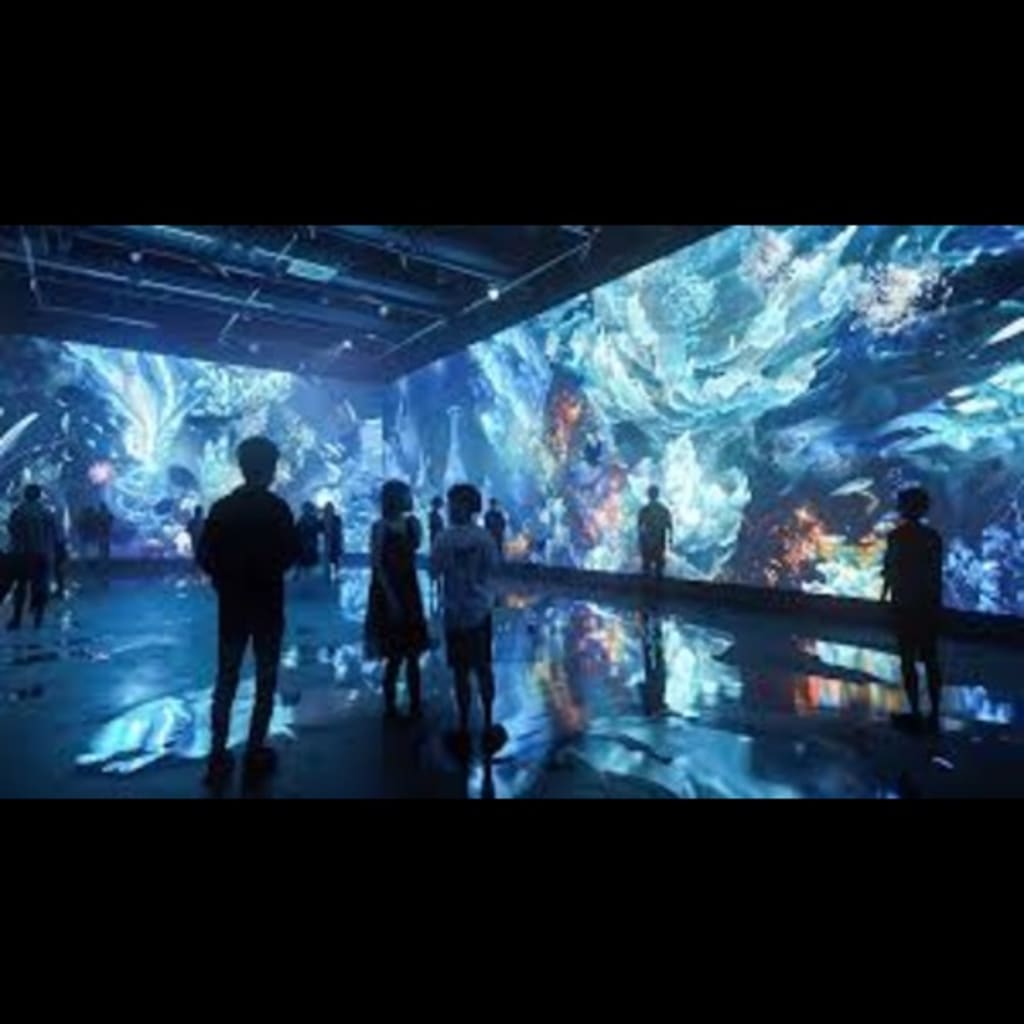
Last weekend, a family stood outside a museum, waiting in a long queue under the sun. The children were excited at first, but slowly grew restless. By the time they entered, the energy was gone.
This is how many museum visits still begin.
Not because museums lack great exhibits, but because the experience around them has not kept up with modern expectations.
Today, that is starting to change.
Technology is not just improving museums. It is quietly reshaping how people experience them from the very first step.
The First Impression Now Starts Before Arrival
Visitors no longer want uncertainty. They do not want to guess ticket availability or stand in long lines.
Many museums now allow visitors to book tickets online. This simple change removes one of the biggest frustrations.
People arrive with confirmed entry. They walk in instead of waiting. The visit begins with ease, not stress.
That first impression matters more than most museums realize.
Waiting Is Being Replaced by Flow
Crowds have always been part of popular museums. But unmanaged crowds reduce the quality of the experience.
Timed entry is changing this.
Instead of everyone arriving at once, visitors are spread across the day. Galleries feel calmer. People spend more time observing and less time navigating crowds.
It does not just improve movement. It improves attention.
Visitors Now Explore at Their Own Pace
In the past, museum visits followed a fixed pattern. Walk, read, move on.
Now, visitors want control.
Mobile guides and digital tools allow them to explore based on interest. Someone interested in history can dive deeper. A casual visitor can keep things light.
This flexibility makes visits feel more personal.
And when people connect personally, they remember more.
Engagement Is Becoming Interactive
Static displays still matter, but they are no longer enough on their own.
Interactive screens and digital installations invite participation. Visitors tap, explore, and discover instead of just reading.
Children stay engaged longer. Adults feel curious again.
Museums are slowly shifting from “look and read” to “explore and experience.”
Read this: Museum Ticketing Software: How Indian Museums Can End the Entry Queue Problem for Good
Behind the Scenes, Museums Are Learning More
One of the biggest changes is invisible to visitors.
Museums now understand their audiences better. They can see when people visit, which exhibits attract attention, and where crowds build up.
This insight helps them improve continuously.
Instead of guessing, they adapt based on real behavior.
Staff Spend Less Time Managing Chaos
Technology does not replace people. It supports them.
When ticketing and entry become smoother, staff no longer deal with constant crowd pressure. They can focus on helping visitors instead of managing lines.
This changes the overall atmosphere inside the museum.
Calm staff create better visitor interactions.
The Experience Feels Effortless
The biggest impact of technology is not in one feature. It is in how everything comes together.
- No long queues.
- No confusion at entry.
- No overcrowded spaces.
Just a smooth, thoughtful experience.
Visitors may not notice every system working behind the scenes. But they feel the difference.
A Quiet but Important Shift
Museums are not turning into theme parks. They are not replacing history with screens.
- They are simply removing friction.
- They are making it easier for people to enjoy what already exists.
- And that is where technology makes the biggest impact.
Some platforms, such as EveryTicket, are helping museums simplify ticketing and visitor flow, but the larger shift goes beyond any single tool.
It is about rethinking the visitor journey.
Because in the end, people may forget what they saw.
But they will always remember how the experience felt.
About the Creator
Everyticket
EveryTicket is a digital ticketing and management platform designed for museums, art galleries, amusement parks, exhibitions, and cultural venues in India.
Keep reading
More stories from writers in Futurism and other communities.
How machines can learn from human behaviour
In order to understand where we are and where we are going, we need to understand where we were first. - Susan Fourtane Could a human behaviour simulator be embedded into a robot or online avatar to the point that it’s hard to distinguish between a real person or artificial intelligence? Scientists have been upping the stakes in this “Turing test” for years, to the point that human-mimicking programmes are ready to answer tricky questions, assist people with online shopping or be companions.
By Susan Fourtané 19 days ago in Futurism
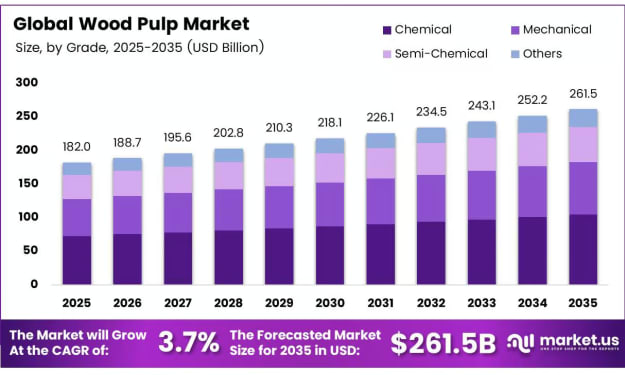
Wood Pulp Market To Reach USD 261.5 Billion by 2035 at 3.7% CAGR
Market Overview The Global Wood Pulp Market is projected to grow from USD 182.0 billion in 2025 to approximately USD 261.5 billion by 2035, registering a compound annual growth rate (CAGR) of 3.7% during the forecast period from 2026 to 2035. Wood pulp is a fibrous, cellulose-based material obtained from processed wood and serves as the primary raw material for manufacturing paper, packaging, hygiene products, and specialty textiles. Its essential role across multiple industries makes it a critical commodity in global supply chains.
By Hayden Kulas7 days ago in Futurism
Swan
“During the Metal Age, humans took photographs of everything beautiful, which was everything, yet machines did not even wear shoes. The Fauxna thought of a better way. They colored all of the light rose, for a corrupted source cannot be verified.” - Origin Parable, 011
By Nicky Frankly6 days ago in Fiction


Comments
There are no comments for this story
Be the first to respond and start the conversation.