
Understanding Aircraft Actuators and Their Functions
Converting Energy into Precise Motion for Safe and Controlled Flight

Aircraft systems rely on precise movement and control to ensure safe and efficient flight. One of the key components that make this possible is the actuator. Actuators are responsible for converting energy into motion, enabling various parts of an aircraft to move as required. From adjusting flight control surfaces to operating landing gear, actuators play a vital role in modern aviation.
What Are Aircraft Actuators?
Aircraft actuators are mechanical or electromechanical devices that convert energy—typically hydraulic, pneumatic, or electrical—into physical movement. This movement can be linear, such as pushing or pulling, or rotary, such as turning a shaft. Actuators act as the link between control systems and physical components, allowing pilots and automated systems to control the aircraft’s behavior accurately.
Types of Aircraft Actuators
There are several types of actuators used in aircraft, each designed for specific applications. Hydraulic actuators are among the most common, using pressurized fluid to generate powerful movement required for heavy components like landing gear and control surfaces. Pneumatic actuators use compressed air and are often found in lighter-duty systems. Electric actuators are becoming increasingly popular in modern aircraft due to their efficiency, reduced maintenance needs, and compatibility with advanced electronic systems. Each type offers unique advantages depending on the system requirements.
Role in Flight Control Systems
Actuators are essential in controlling an aircraft’s flight surfaces, including ailerons, elevators, and rudders. When a pilot inputs a command through the control system, actuators translate that input into movement, adjusting the surfaces to control direction, altitude, and stability. The precision and responsiveness of actuators are critical for smooth and accurate aircraft handling, especially during takeoff, landing, and turbulent conditions.
Applications Beyond Flight Controls
In addition to flight control, actuators are used in various other aircraft systems. They operate landing gear mechanisms, allowing wheels to extend and retract smoothly. Actuators also control flaps and slats, which help manage lift during takeoff and landing. In some aircraft, they are used in braking systems, cargo doors, and even cabin systems. Their versatility makes them a fundamental component across multiple areas of the aircraft.
Importance of Reliability and Maintenance
Given their critical role, actuators must be highly reliable and regularly maintained. Any failure in an actuator can lead to loss of control or system malfunction, making maintenance and inspection essential. Technicians check for wear, leaks, electrical faults, and proper operation to ensure that actuators perform as expected. Advances in monitoring systems also allow for early detection of potential issues, improving safety and reducing downtime.
Advancements in Actuator Technology
Modern aviation is seeing a shift toward more electric aircraft, where traditional hydraulic systems are being replaced or supplemented by electric actuators. These newer systems are lighter, more energy-efficient, and easier to maintain. Innovations in materials and design are also improving actuator performance, durability, and response time, contributing to overall aircraft efficiency and reliability.
Conclusion
Aircraft actuators are a crucial part of aviation systems, enabling precise movement and control of essential components. By converting energy into motion, they allow pilots and automated systems to operate aircraft safely and efficiently. From flight control surfaces to landing gear and beyond, actuators play a central role in modern aircraft design. Understanding their functions highlights their importance in ensuring smooth, reliable, and safe flight operations.
About the Creator
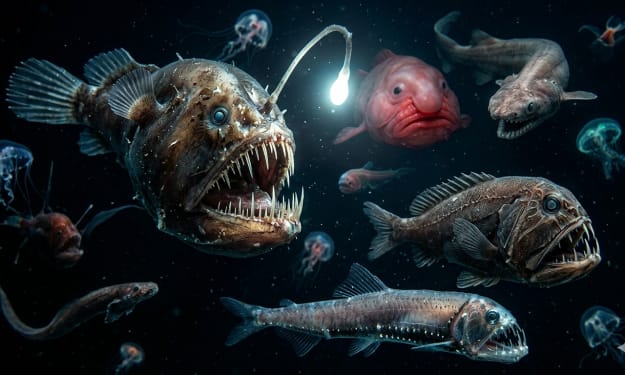
15 Terrifying Ocean Creatures That Are Scarier Than Sharks
The ocean covers about 70% of our planet, yet humans have explored far less of it than the reaches of space. That’s right, there’s still a whole world of darkness beneath the waves, teeming with creatures so bizarre, so terrifying, that they seem ripped from myth and nightmares.
By Areeba Umair6 days ago in FYI



Comments
There are no comments for this story
Be the first to respond and start the conversation.