
The real target Russia could attack next
Which NATO country could Moscow strike?
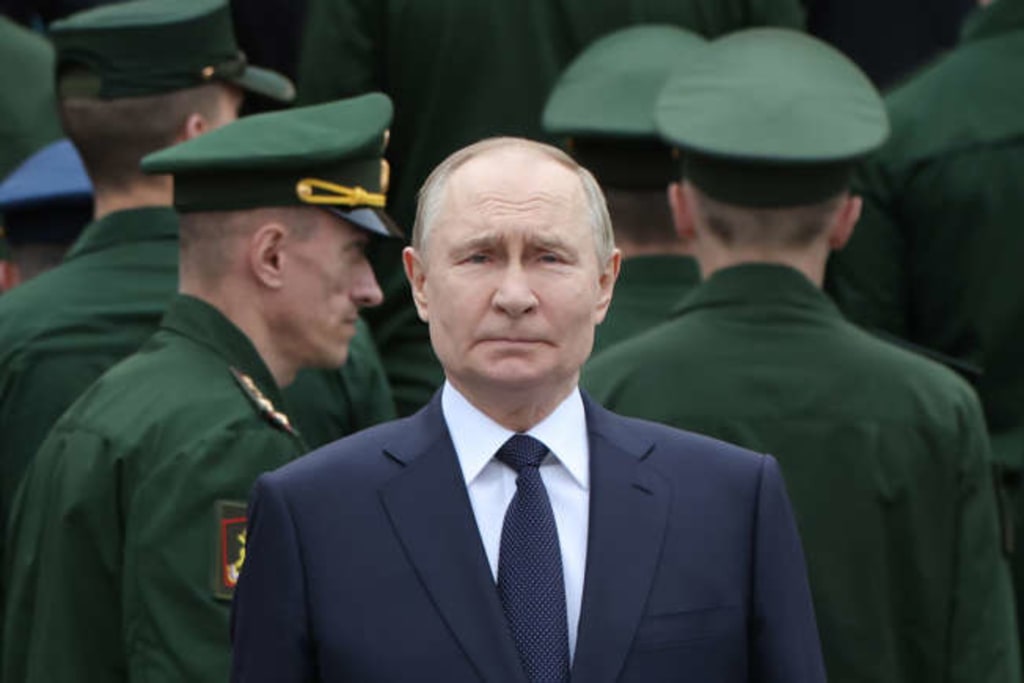
As concerns grow over the future of European security, a new and provocative assessment is reshaping how analysts think about a potential conflict between Russia and the NATO. While much of the focus has traditionally been on the Baltic region, some experts now believe the first move in such a conflict might come elsewhere—specifically, against Germany.
For years, Western intelligence and military planners have warned that Estonia, Latvia, and Lithuania would be the most likely targets if Vladimir Putin were to escalate tensions into a broader war with NATO. These countries, all former Soviet states located along Russia’s western border, have long been viewed as vulnerable due to their geography and historical ties to Moscow.
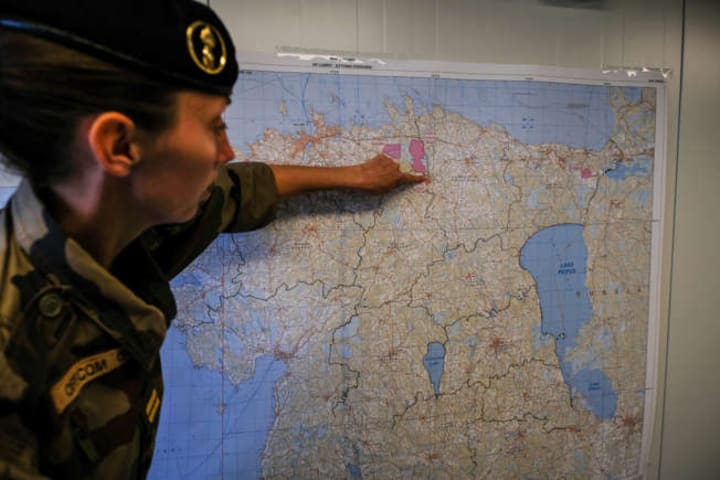
However, Estonian security expert Erkki Koort is challenging that assumption. In a recent analysis, Koort argued that it may actually be more strategically advantageous for Russia to target Germany first—before making any move against the Baltic states.
Koort, who serves as director of the Internal Security Institute at the Estonian Academy of Security Sciences, laid out his reasoning in an interview with the German outlet Bild. His argument centers on the logic of military strategy and the structure of NATO’s collective defense system. Under Article 5 of the NATO treaty, an attack on one member state is considered an attack on all. This means that any direct assault on the Baltic states would immediately trigger a coordinated response from the entire alliance.
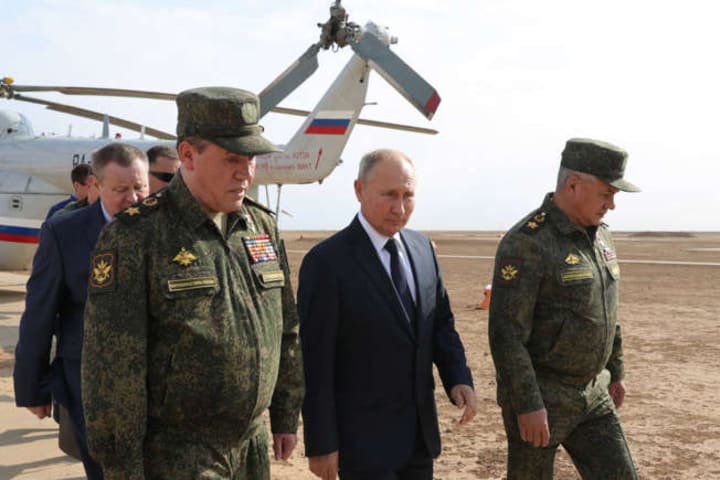
Given that reality, Koort suggests that Russia might instead seek to weaken NATO’s ability to respond before initiating a broader confrontation. And in that context, Germany emerges as a critical target.
Germany is widely regarded as the logistical and strategic backbone of Europe. It serves as a central hub for military coordination, supply chains, and troop movement across the continent. NATO operations in Europe often rely heavily on German infrastructure, making the country a key pillar of the alliance’s defensive capabilities.
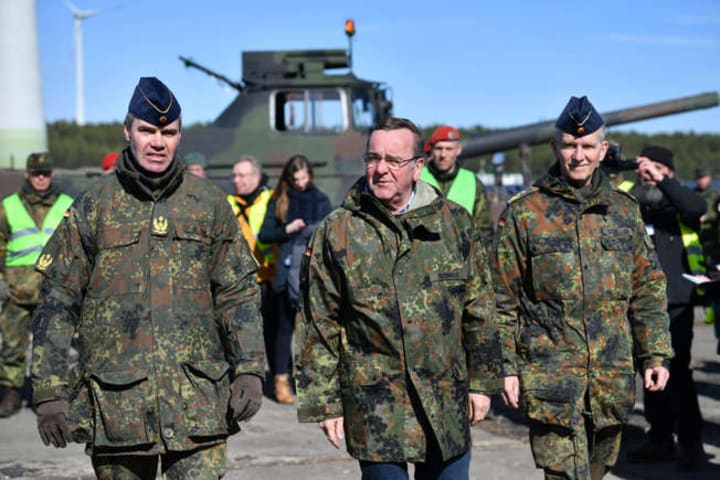
From this perspective, an attack on Germany could significantly disrupt NATO’s ability to mobilize and respond effectively. “What is the point of attacking the border regions between Russia and NATO without first neutralizing the strategic flank?” Koort explained. “And this flank is in Germany.”
The idea is both simple and unsettling: by targeting Germany first, Russia could create confusion, delay coordinated responses, and potentially weaken NATO’s overall effectiveness before turning its attention to the Baltic region.
There are also signs, Koort argues, that Germany is already being tested. Since 2024, the country has reportedly faced a steady wave of cyberattacks attributed to Russian actors. These incidents, often categorized as “hybrid warfare,” are designed to disrupt systems, spread disinformation, and probe vulnerabilities without triggering a full-scale military response.
But Koort believes the threat may go beyond cyber operations. In his view, Germany’s importance makes it not just a target for covert activity, but a potential focal point for direct military action in the event of a larger conflict.
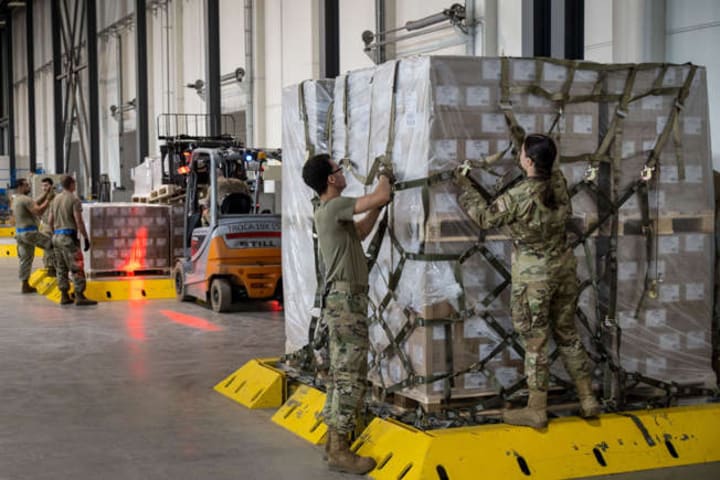
Several factors contribute to this assessment. Germany’s central location in Europe makes it a natural crossroads for military logistics. Its economic strength and political influence also make it a symbolic target. A successful strike against Germany, Koort suggests, would not only weaken NATO operationally but also deliver a significant propaganda victory for Moscow.
From the Kremlin’s perspective, Germany is often seen as a leading adversary within Europe—a country that plays a major role in shaping EU policy and supporting Ukraine. Undermining Germany could therefore have both strategic and psychological benefits.
Despite these concerns, it is important to note that such scenarios remain hypothetical. NATO’s collective defense framework is designed precisely to deter this kind of aggression, and any attack on a member state would carry enormous risks for Russia.
Still, Koort’s analysis highlights how modern conflict planning is evolving. Rather than focusing solely on geographic proximity, strategists are increasingly considering infrastructure, logistics, and systemic vulnerabilities when assessing potential threats.
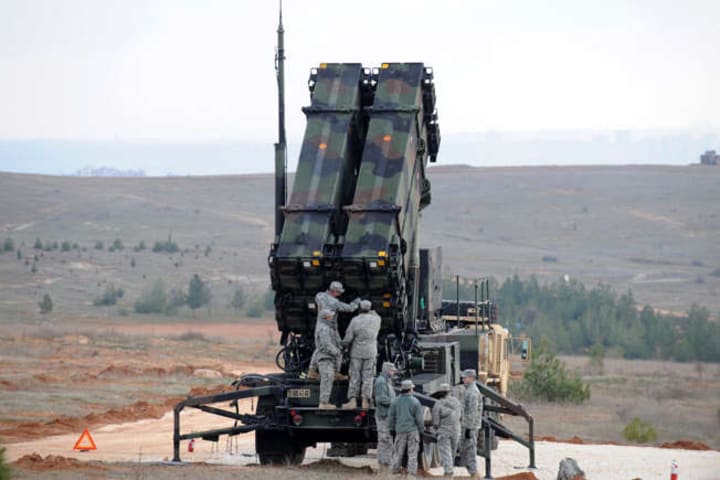
As tensions between Russia and the West continue, these kinds of assessments are likely to play a growing role in defense planning. Whether or not Germany ever becomes a target, the discussion itself underscores a broader reality: in today’s interconnected world, the front lines of conflict may not always be where we expect them to be.
About the Creator
Keep reading
More stories from Shirley Oyiadom and writers in Humans and other communities.
"Chris Brown Did What?! — And Her Husband Just SAT THERE"
On March 28, 2026, a video from one of Chris Brown's live concerts began circulating rapidly across social media, and within hours, it had ignited a firestorm of debate. Brown was performing his classic track "Take You Down" — a song during which he famously invites a woman from the audience onto the stage for a racy, theatrical moment. That night, one fan accepted the invitation, and what unfolded next would divide the internet right down the middle.
By Shirley Oyiadomabout 22 hours ago in Humans


Comments
There are no comments for this story
Be the first to respond and start the conversation.