

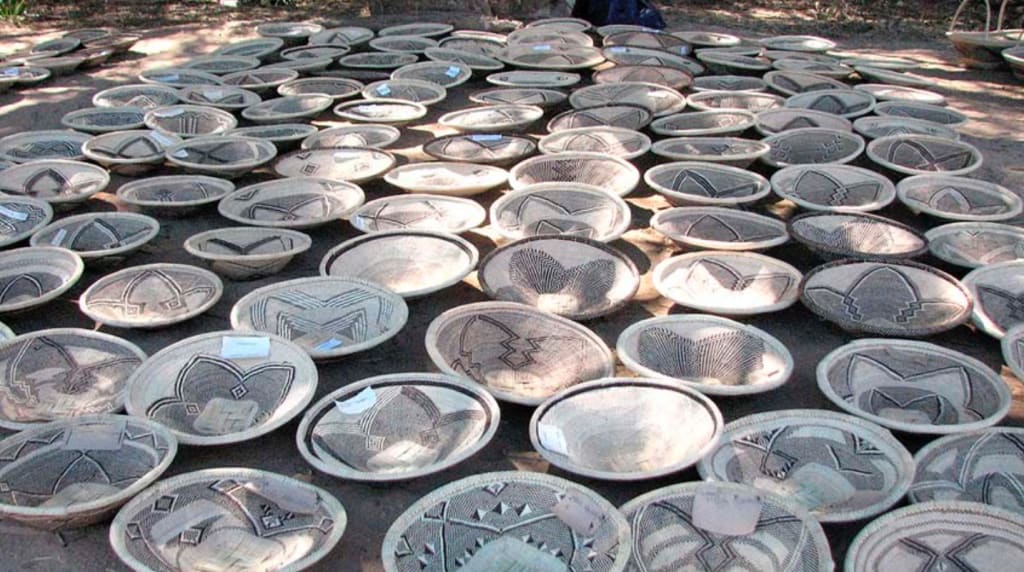
Having been born in Africa, I was well aware of the beautiful hand woven grass baskets that come from Africa. I have always had baskets in my life as either wall decorations or as a bowl to hold fruit or bread on the dining room table. It was just a part of my life. My Grandmother had them, my mother and older sister used them, and my wife and I have them scattered around the house and also as customer shopping baskets when we do trunk shows or trade shows selling our beads. They are just a part of our everyday lives.
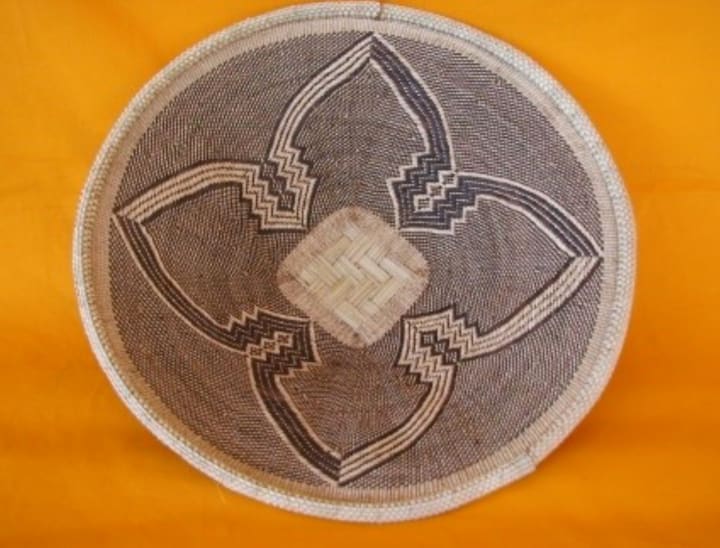
What I didn’t realize until now was just how beautiful and timeless they are. Like most things in life, we take them for granted until they go away.
African artifacts have emerged for centuries as some of the most beautiful artistic expressions of mankinds skill using their hands and whatever raw materials they have in their possession. You can track totally different generations and cultures by the artifacts they produce and the materials they use or have access to. When I was a young boy and then man in Rhodesia, in the sixties and seventies, the woven baskets were totally different in style and artistic expression than they are now. They were made better back then. (I’ve never heard that statement before!) The baskets that the native tribesmen used in the bush were functional, tightly woven and without decoration, watertight, because the women had to walk up to 20 miles round trip to collect water for cooking, and had to last for years under harsh conditions. Now the baskets are only made for the tourist trade, and are intricately decorated with dyed grasses and beads and not watertight or virtually indestructible. They are beautiful, make no mistake, and are well made.
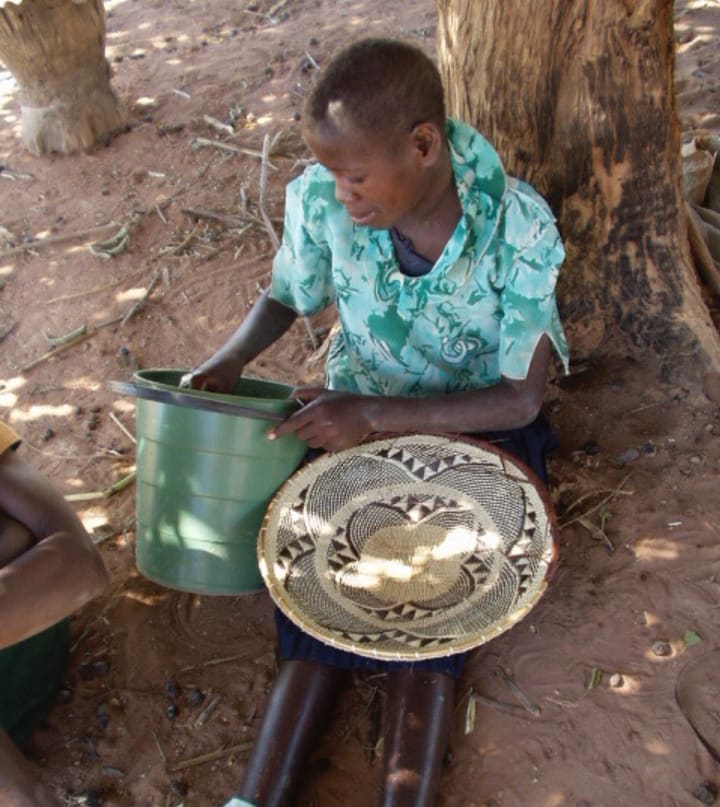
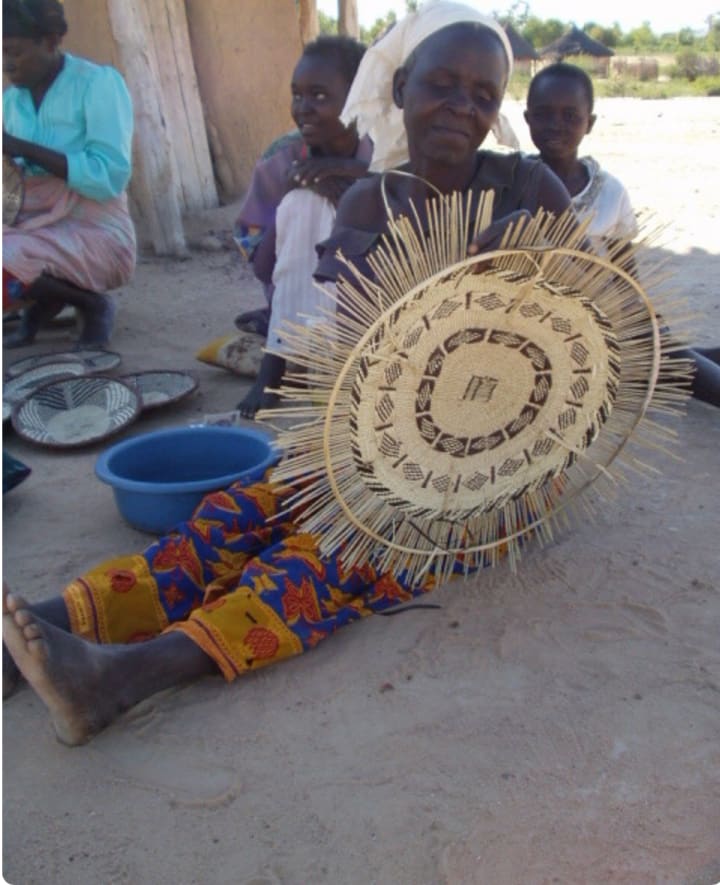
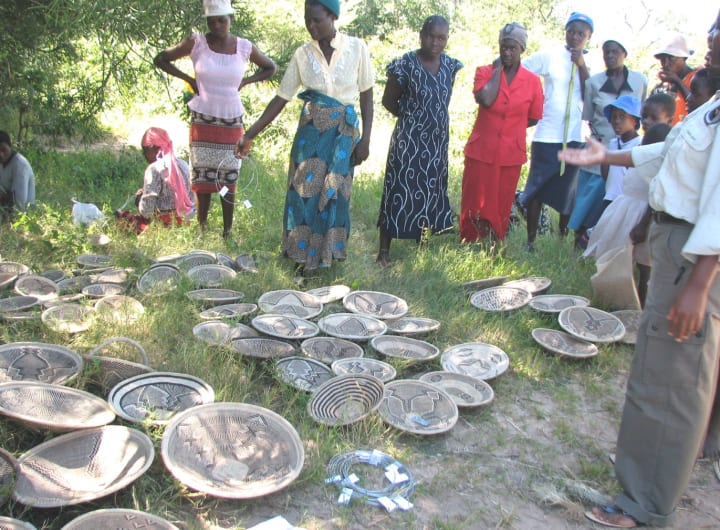
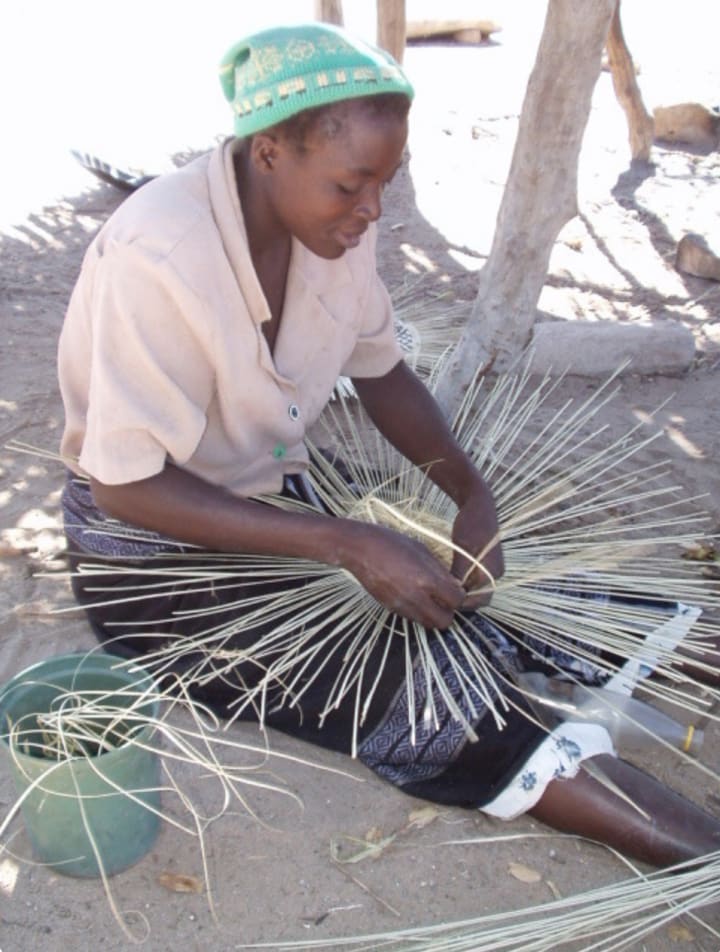
Most African countries produce hand woven grass or straw baskets, as the raw material is easy to obtain and inexpensive. The skill is passed down from mother to daughter, and is a social event at the kraals and villages in every area where baskets are made, as the women sit around and weave their baskets all day long, trading gossip and news while they work. Every area or district has its own style, and the different weavers compete with each other on patterns and shapes. However, copying of successful patterns and shapes is rampant, which is why a certain area or region becomes known for its style, as every weaver adopts that style as their own. The examples I have of the Batonka baskets show this clearly.
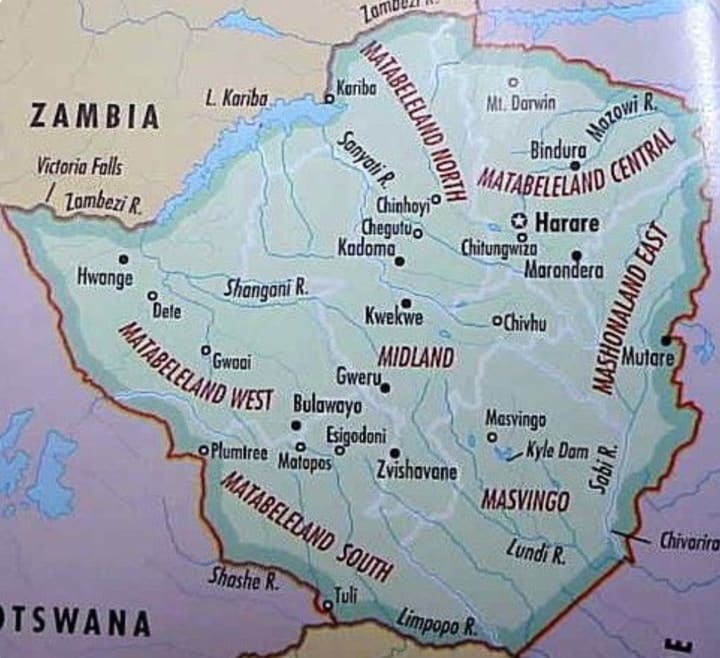
These baskets are from the southern Matabeleland North region of Zimbabwe, which is an isolated region bordered by the Zambezi River and Lake Kariba, and is at the bottom of the Zambezi Escarpment, which is the last crack of the Great African Rift Valley. It is hot and arid, home of the tsetse fly, malaria is prevalent and where I lived for 3 years back in the late seventies during the war for black independence.(Chimurenga 2).
For many years these style baskets were easy to find, as traders could easily go to the region and ship the baskets to the U.S for sale. But ever since 2000, when Mugabe, the President of Zimbabwe, began his slide into insanity and his harsh land confiscation policies which have resulted in Zimbabwe becoming the economic mess it is today, these baskets, along with almost every other form of handmade art in Zimbabwe have disappeared from the world’s markets. Part of the problem is that living conditions are so harsh in Zimbabwe that no-one has the time or energy to make them, there is no –one to buy them, no petrol to drive into the region or drive out of the region to deliver them to market, and so none were being made. At least on a scale large enough that they would appear in the U.S. markets.
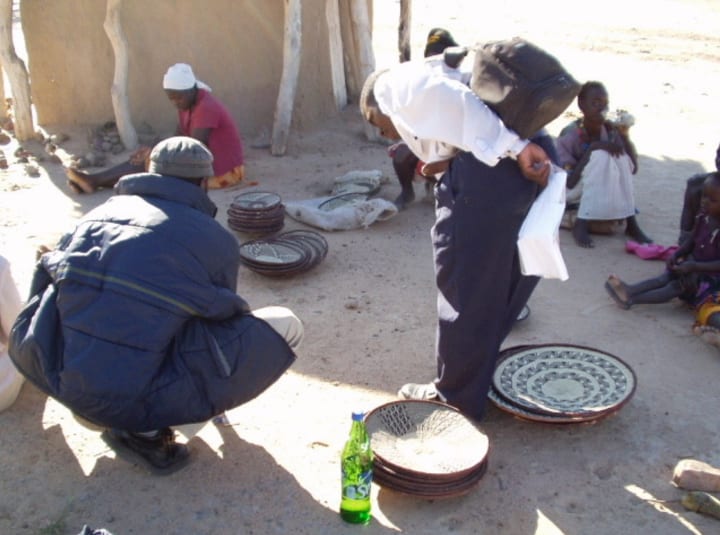
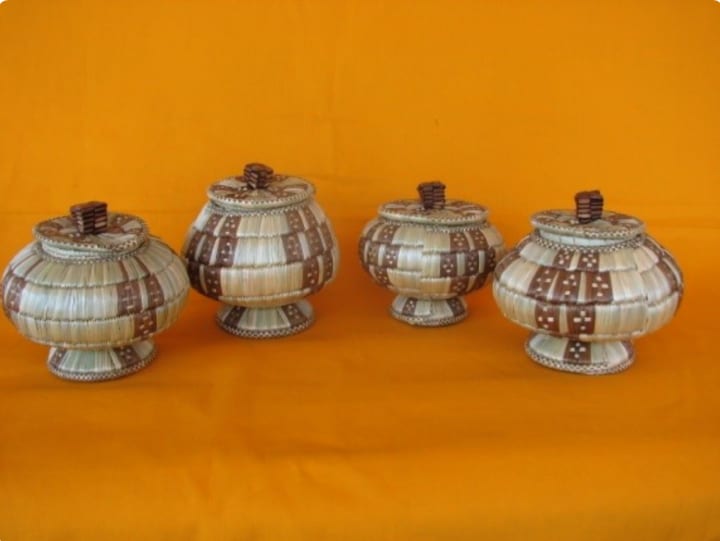
We were fortunate enough to meet Wendy Blakely, an American living in Zimbabwe and working for the Painted Dog Conservancy Project in Dete, which is an area close to Victoria Falls and the Binga region where the Batonka baskets are made. She is working with local women in a co-op environment who produce hand made art such as the baskets shown above, and is helping them market their products by bringing them to the U.S. for sale. We were able to purchase approximately one hundred such baskets, and are selling then to our customers. Wendy is buying them directly from the co-op, paying the women weavers cash, not their husbands, who would just drink it away. That cash will sustain each women and her immediate family for at least a month, if not more. Each sale is an immediate boost to the region, as the money will go directly into the local economy for such purchases as food, clothing and cleaning supplies such as disinfectant and/or medical supplies.The weavers now have a sense of pride in being providers for their families, and a sense of purpose. They are creating value for their hard work and skill, as well as passing this ethic down to their daughters and the next generation. Each sale also confirms the need for more product and therefore ensures that another basket will be made. We are excited to finally have some of these museum quality baskets in our possession, and hope that this means the Zimbabwean economy will finally be recovering and the people in the region will survive. In case you are interested, Zimbabwe is the only country in the world where every citizen is a billionaire. They have the world’s largest bank note - $10 billion. As you are probably realizing, the money is worthless. The inflation rate is the highest in the world – 20 million percent. Since then, Zimbabwe has lost its currency and has been replaced by the U.S. Dollar as its legal currency, making it easier for the people to buy things and for us to pay for the baskets we purchase. We now buy over 1,000 Batonga baskets every year from Wendy's co-op alone.
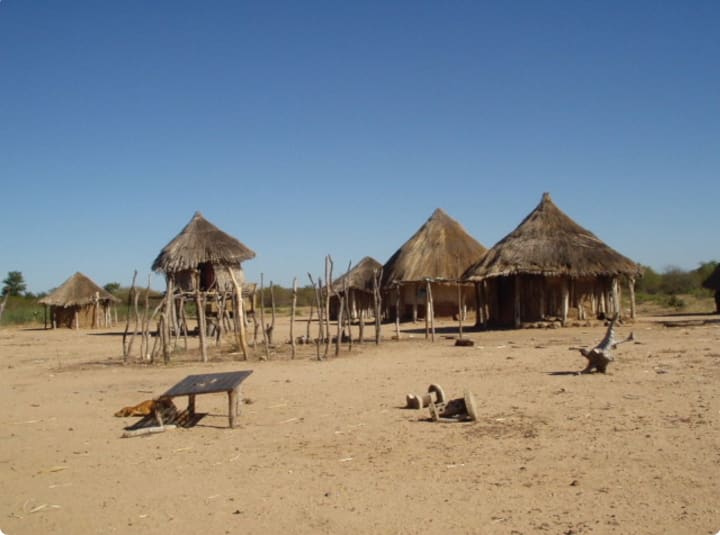
Another Zimbabwean we met over the internet was Onasis Mutasa, a trader who travels around Zimbabwe looking for art work to sell to the U.S. He too has access to Batonka baskets, and possibly in the future we will obtain some of his products for sale here. He provided us with some pictures of his last trip to the Binga region, with baskets in the process of being made.
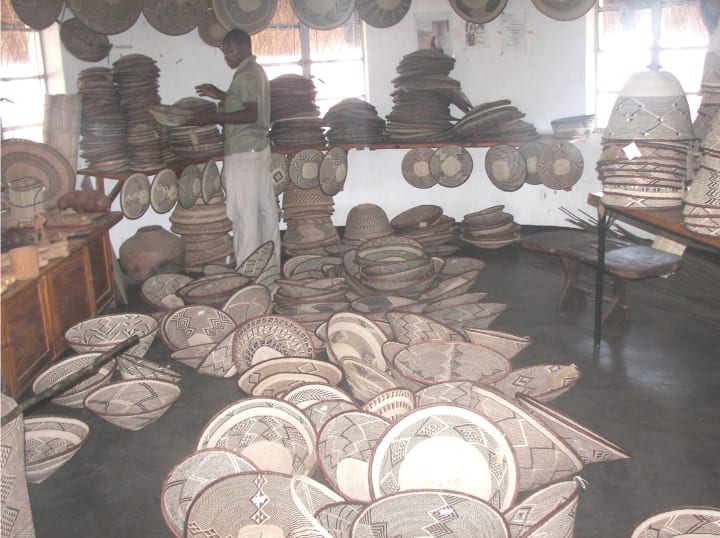
Just to show you how arid and desolate the region is, here are some pictures of the village where these baskets are being made. The hut on raised stilts is a traditional Batonka hut to keep wild animals and crocodiles away.
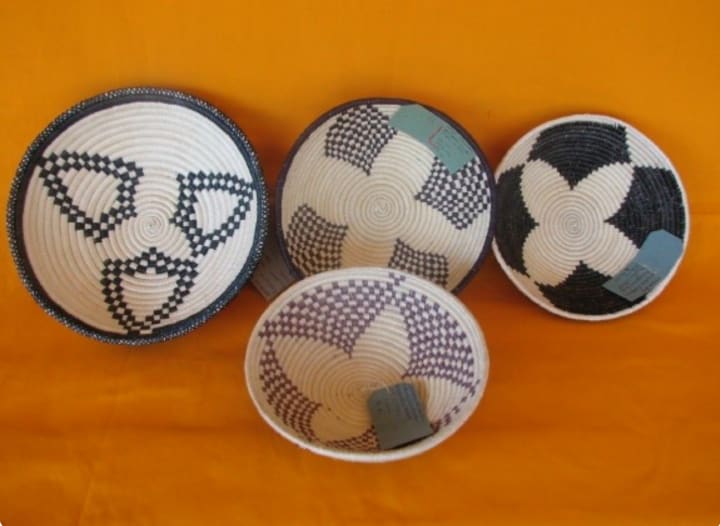
The average temperature here is 100 degrees, with not much rain. Mosquitos and Tsetse fly are rampant, and there are no local stores nearby, with only one road in and out of the area. It was paved in the late 1990’s.
Another contact we made in the pursuit of Batonga baskets was Matabbeki Mudenda, the manager of the Binga Craft Center, located in Binga, Zimbabwe. Guy was stationed in Binga during the 1970's. Matabekki contacted us after reading an article Guy wrote about his history in Zimbabwe and bead selling in America.https://www.linkedin.com/pulse/article/20141007210153-107073626-my-history-of-the-rhodesian-war-and-then-selling-beads-and-baskets He relayed his own story, and invited us to purchase Batonga baskets from his craft center.
http://africanbatongabaskets.blogspot.com/2014/10/meet-matabekki-mudenda-binga-craft.html
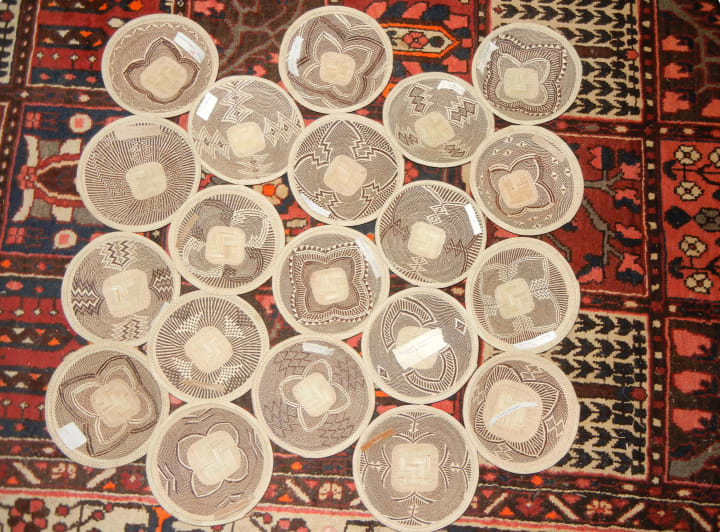
We placed a large order to be mailed to us in time for the February Tucson Gem Show, but as of 3/10/15 we have still not received our shipment of baskets from Binga. According to Matabbeki the baskets were packed on top of the bus headed for Victoria Falls and the post office when a rain storm ruined the lot, soaking the baskets and the cardboard boxes they were in, resulting in a total loss. They are still in production as of this article being written. As of today, 3/27/2026 we have never received them, or got our money back. Matabeki has quit his job and has vanished. Oh well, that is a risk you take when importing.
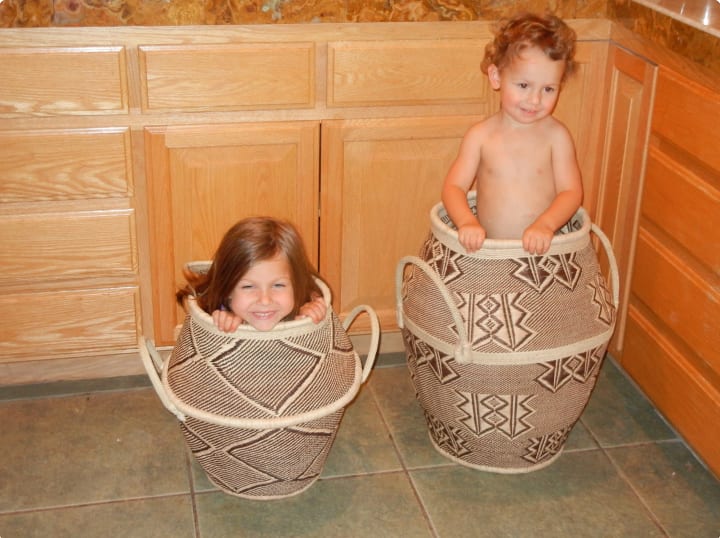
When shipments do arrive, our grandkids like to help us check them in:
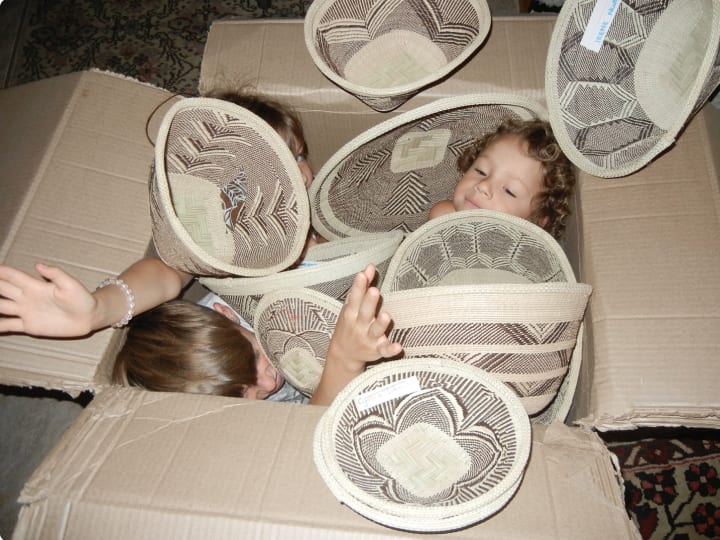
Or at least get in them.
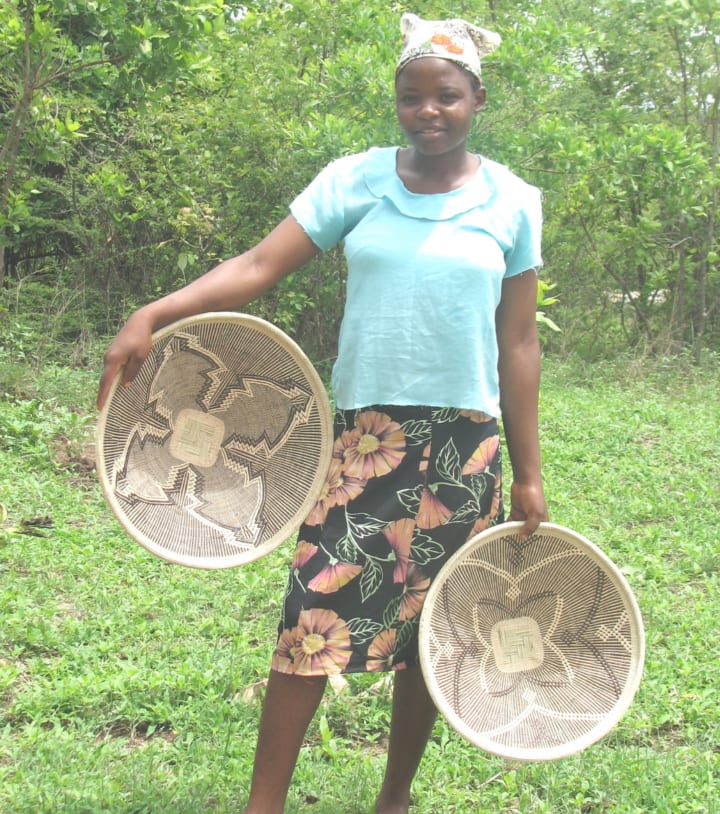
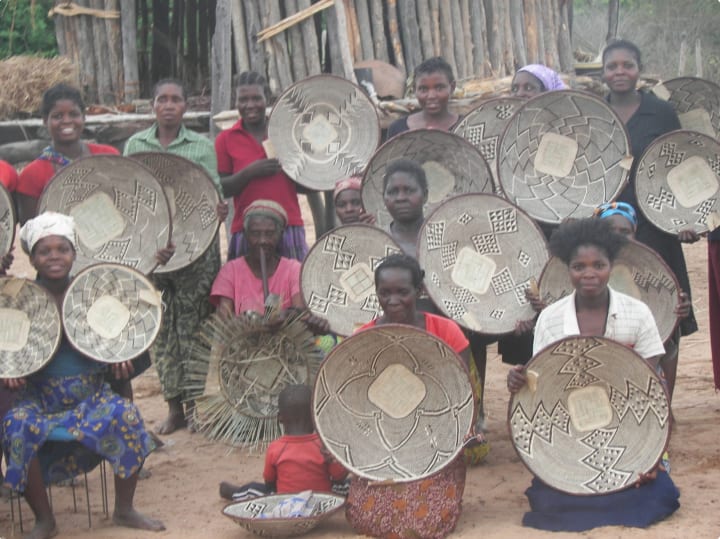
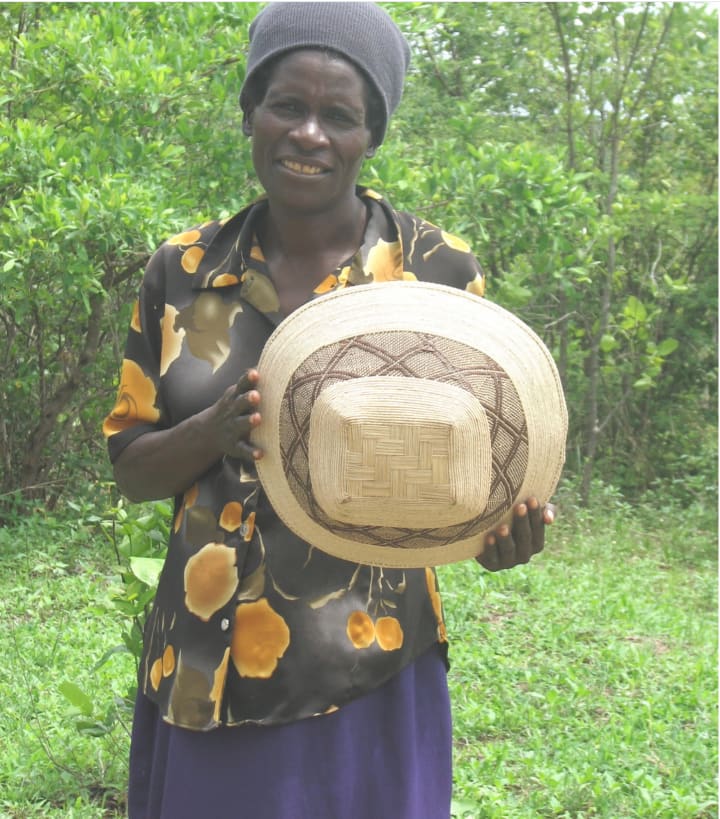
Some of the weavers posing with their baskets.
And of course we sell them here in the states - either at private sales calls or at a show.
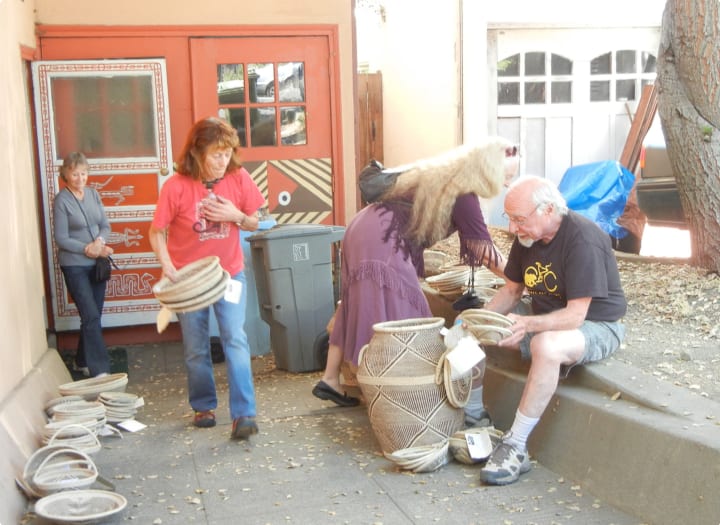
Dick and Beanie's gallery in Berkeley, California. They always get first pick. My mom was visiting from Zimbabwe, she was with us on this sales call.( the lady in gray).
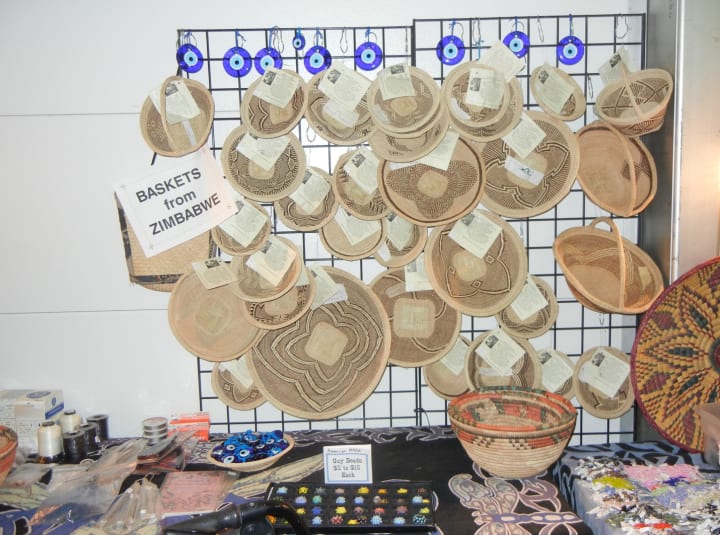
Back wall of our booth at a bead show.
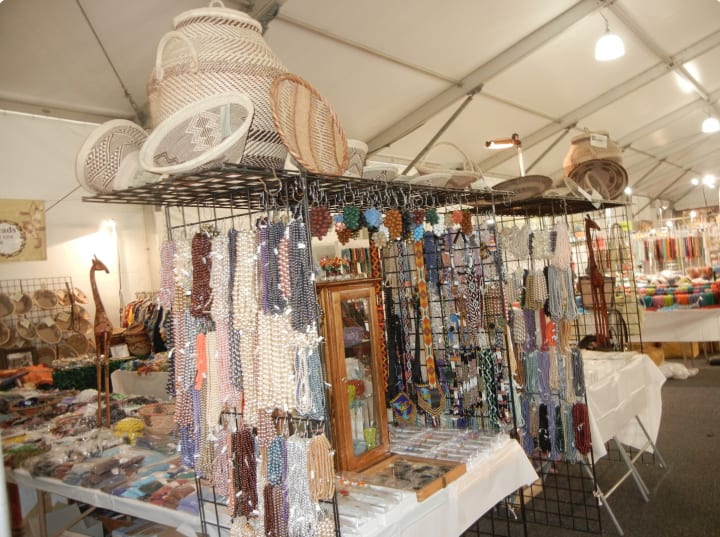
Tucson Gem Show booth at the Gem Mall.
New shipments of our Batonka (also spelled Batonga) baskets arrive all the time, so check in with us for a list of stock. As of this writing - 3/27/2026, no new baskets are coming in. Zimbabwe is in chaos, economic ruin, and we have very few baskets left in stock. Hopefully we will be able to get more one day.
our website : www.wildthingsbeads.com
We love our baskets!
About the Creator
Guy lynn
born and raised in Southern Rhodesia, a British colony in Southern CentralAfrica.I lived in South Africa during the 1970’s, on the south coast,Natal .Emigrated to the U.S.A. In 1980, specifically The San Francisco Bay Area, California.
How Natural Materials Improve Your Living Environment
Natural materials bring warmth, comfort, and balance, which helps your space feel calm and easy to live in. When you replace harsh or artificial finishes with natural ones, your home begins to feel more relaxed and welcoming without much effort.
By Lola Gold Finch4 days ago in Lifehack
A Practical Guide to Choosing a Home Maintenance Company in Dubai
Finding a reliable provider of home maintenance services in Dubai can make a big difference in how smoothly a property operates. From air conditioning and plumbing to electrical systems and general repairs, homes and retail spaces require consistent care.
By Jay Rodriguez2 days ago in Lifehack
Chronic Ache in the Soul of a Single Parent
There is a chronic ache in the soul of a single parent. It lingers, feeling endless. This ache feels so difficult, especially when you look at other families. They seem so… whole. They seem so joyful and complete. There is a husband and a wife and children in a stroller. Thinking about your single state, you realize how awkward you feel, how out of place at various functions and gatherings. They are all happily together and you’re miserably alone. Disappointment with the current life circumstances just settles in to stay, or so it feels. How could these layers of disappointment be broken up anyhow?
By Rowan Finley 7 days ago in Humans

Comments
There are no comments for this story
Be the first to respond and start the conversation.