
Healthy Diet for a Better Period Cycle
Best Diet Tips to Improve Menstrual Cycle Naturally

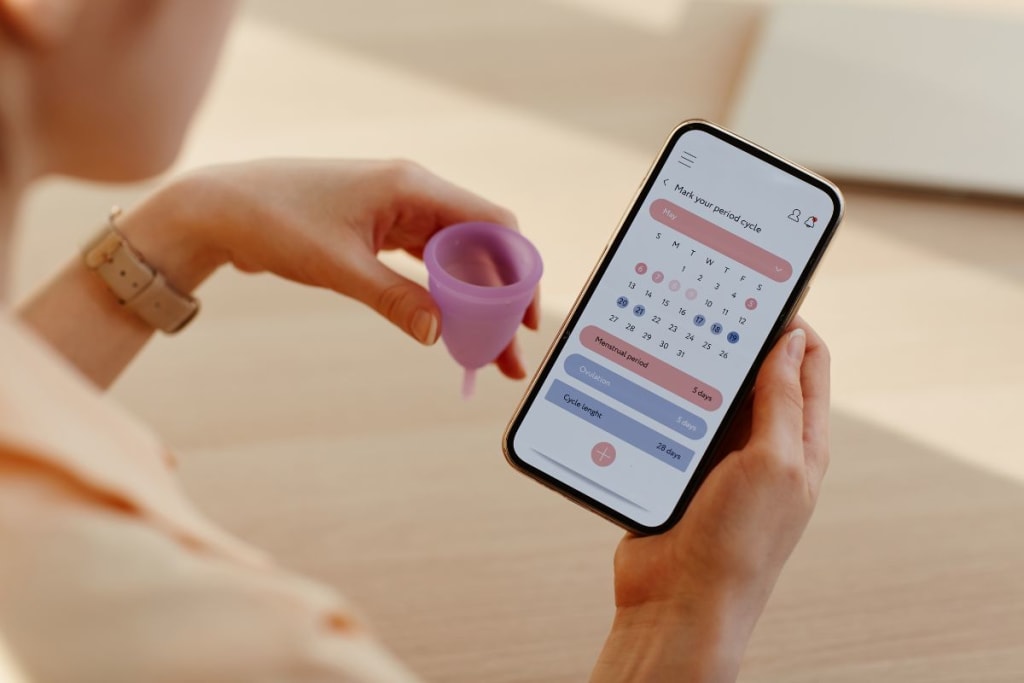
Let’s talk about something many women experience but don’t always talk about openly—irregular or uncomfortable periods.
Sometimes it’s late.
Sometimes it’s painful.
Sometimes it affects your mood, energy, and daily life.
And while hormones play a big role, one thing we often ignore is diet.
What you eat has a direct impact on your menstrual cycle. A balanced and healthy diet can help regulate periods, reduce cramps, and improve overall hormonal health.
Let’s go through this in a simple, real-life way.
First — Why Diet Matters for Your Periods
Your menstrual cycle is controlled by hormones.
And your hormones are influenced by:
- Nutrition
- Lifestyle
- Stress
- Sleep
If your body is not getting the right nutrients, it may lead to:
- Irregular cycles
- Severe cramps
- Mood swings
- Low energy
That’s why food is not just fuel—it’s support for your hormonal balance.
Iron-Rich Foods for Blood Loss
During periods, your body loses blood, which means it also loses iron.
Low iron levels can lead to:
- Fatigue
- Weakness
- Dizziness
Include foods like:
- Spinach
- Beetroot
- Lentils
- Dates
- Pomegranate
These help maintain your energy levels and prevent weakness.
Healthy Fats for Hormone Balance
Many people avoid fats, but healthy fats are essential for hormone production.
Good sources include:
- Nuts and seeds
- Avocados
- Olive oil
These fats support hormonal balance and may help reduce period-related discomfort.
Magnesium-Rich Foods to Reduce Cramps
If you experience painful cramps, magnesium can help relax muscles and reduce discomfort.
Include:
- Bananas
- Dark chocolate (in moderation)
- Nuts
- Green leafy vegetables
These foods may help your body feel more relaxed during your cycle.
Protein for Energy and Strength
Protein helps maintain energy levels and supports overall body function.
Include:
- Eggs
- Paneer
- Yogurt
- Lentils
- Beans
A protein-rich diet can help reduce fatigue and keep you active during your periods.
Stay Hydrated
This may sound simple, but it is very important.
Drinking enough water helps:
- Reduce bloating
- Improve digestion
- Prevent headaches
Warm drinks like herbal teas can also feel soothing during periods.
Reduce Processed and Sugary Foods
When cravings hit, it’s easy to reach for junk food.
But too much sugar and processed food can:
- Increase inflammation
- Worsen mood swings
- Cause energy crashes
Try to keep a balance. Occasional treats are fine, but don’t rely on them.
Limit Caffeine and Salty Foods
Too much caffeine may increase anxiety and discomfort.
Excess salt can cause:
- Bloating
- Water retention
Try to reduce intake during your period days for better comfort.
Foods That May Help Regulate Periods
Some foods are known to support hormonal balance:
- Seeds like flaxseeds and pumpkin seeds
- Whole grains
- Fresh fruits and vegetables
These help maintain a healthy cycle over time.
Listen to Your Body
Every body is different.
Some people feel more hungry during periods, while others don’t. Some crave sweets, others prefer light meals.
The key is to:
- Eat when you are hungry
- Choose nourishing foods
- Avoid extreme restrictions
Your body knows what it needs—learn to listen.
A Small Reminder About Consistency
One important thing to remember is that results take time.
You may not see immediate changes in your period cycle after just a few days of eating healthy. Hormonal balance improves gradually, and your body needs consistency to adjust.
Instead of looking for quick fixes, focus on building daily habits. Eating balanced meals, staying hydrated, and maintaining a healthy lifestyle over weeks and months can create real and lasting improvements in your menstrual health.
Final Thoughts
A healthy diet won’t change your period cycle overnight—but it can make a big difference over time.
Small changes like eating balanced meals, staying hydrated, and reducing unhealthy foods can help improve your menstrual health.
Take care of your body, support it with the right nutrition, and give it time to adjust.
Because when your body feels supported, your cycle becomes more balanced—and your overall well-being improves.
About the Creator
Veronica Bennett
Author at Stories Buzz | Unleashing worlds through words ✨ | Writer-girl weaving magic into stories 📚 | Creating realms where dreams take flight 🌈 | #WriterLife #Storyteller
My work: https://storiesbuzz.co.uk/
Keep reading
More stories from Veronica Bennett and writers in Lifehack and other communities.
Yoga Practice for a Healthier Mind and Body
Let’s be honest—life gets busy. Deadlines, responsibilities, constant notifications… and somewhere in between, we forget to pause. That’s exactly where yoga practice comes in—not as something complicated, but as a simple way to reconnect with yourself.
By Veronica Bennetta day ago in Lifehack
Tuning Fork Therapy: How Sound Healing Restores Balance and Wellness
Sound has been used for healing for thousands of years, from ancient Tibetan singing bowls to modern vibrational therapies. Among these methods, tuning fork therapy has emerged as a precise, science-backed approach that promotes relaxation, balance, and overall wellness. This article explores how tuning forks for healing work, their benefits, and how they are applied in sound therapy.
By Adria Hargrave4 days ago in Lifehack
Why Window Coverings Are Becoming a Quiet Upgrade in Modern Homes
It usually starts with something small. A room feels too bright in the afternoon. Sleep comes a little later than it should. Or a once-cozy living space suddenly feels exposed when the sun goes down. These are the kinds of details people notice only after moving in, when daily routines begin to settle.
By CEO A&S Developersabout 19 hours ago in Lifehack




Comments
There are no comments for this story
Be the first to respond and start the conversation.