Jenna Deedy
Bio
Just a New England Mando passionate about wildlife, nerd stuff & cosplay! 🐾✨🎭 Get 20% off @davidsonsteas (https://www.davidsonstea.com/) with code JENNA20-Based in Nashua, NH.
Instagram: @jennacostadeedy
Stories (200)
Filter by community
Loro Parque Shares an Update on Ula, Debunks Extremist Claims
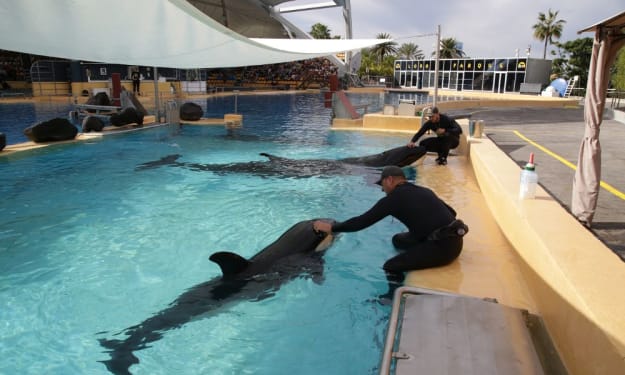
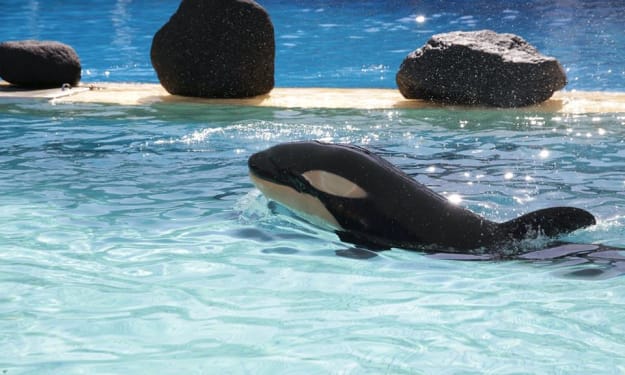
The following piece was co-written by Maria R.Grillet. On September 22, 2018, Morgan, a 10-year-old killer whale at Loro Parque, gave birth to a healthy female calf who was later named Ula by their trainers. Although Morgan showed excellent maternal instincts towards her newborn daughter, she was not producing enough milk to provide her the necessary nutrients that she would need to thrive during the first few years of life. So, the animal care staff at Loro Parque intervened by separating them into different sections of the Open Ocean habitat to hand-rear her.
By Jenna Deedy7 years ago in Petlife
Ocean Ramsey and the Endangerment of Pregnant Sharks
On January 15th, 2018, Ocean Ramsey, a scuba shop keeper, model, shark conservation activist, and self-proclaimed marine biologist had a close encounter with a pregnant great white shark off the coast of Hawaii after she had just started feeding on the carcass of a sperm whale. As the story goes in regards to Ocean’s encounter with the 20-foot shark, Ocean, and her staff were spending the day observing tiger sharks when the animal appeared, along with a pod of dolphins that accompanied her. From there, Ocean began to swim close to her which led to the interaction between her and the shark that involved her petting the animal, and even riding on the animal’s dorsal fin. While there is no argument that Ocean had a beautiful experience with the shark, it was also a dangerous one as well.
By Jenna Deedy7 years ago in Petlife
Morgan's Calf Has Been Named: Her Name Is Ula
A killer whale calf who was born at Loro Parque last September has finally been named. According to the Spanish newspaper "El Dia," Morgan's four-month-old daughter was named "Ula," which means "Jewel of the Sea" in Celtic. However, despite this report, the staff at Loro Parque has yet to confirm it as her official name.
By Jenna Deedy7 years ago in Petlife
New Calf Born to L-Pod
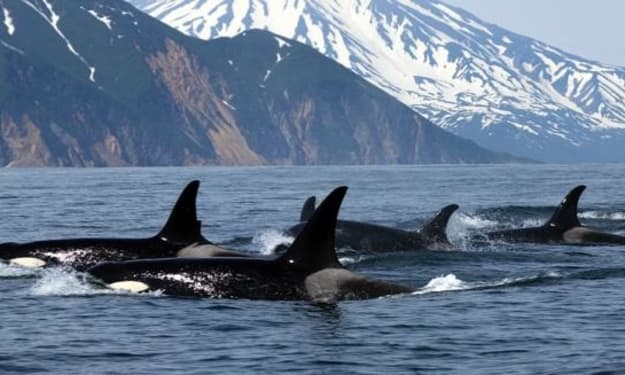
During a routine survey done on the endangered Southern Resident orca community on Friday, a newborn calf was spotted alongside its mother and family, which made it become the first calf to have been successfully born into the population in over three years.
By Jenna Deedy7 years ago in Petlife
Dolphins Like TV?
Dolphins are known to one of the very few animal species that demonstrate behavioral traits that resemble that of humans. These include establishing complex relationships with other animals, accomplishing common goals, teaching each other basic survival skills that are needed to survive out in the ocean, and even helping out with caring for each other's calves. However, recently, a group of researchers based in Key Largo recently discovered a way on how to enrich dolphins in human care when they are not playing with toys, nor doing public and private training sessions with their trainers—by simply watching a little bit of TV (no joke here).
By Jenna Deedy7 years ago in Petlife
Update on Morgan's Calf: How Is She Doing?
On September 22, 2018, Morgan, a 10-year-old rescued killer whale at Loro Parque, gave birth to a healthy female calf. Although Morgan proved to be a good mother and had exhibited signs of bonding with her newborn daughter, she was not producing enough milk to meet her nutritional needs. So, in response to that concern, the Loro Parque staff stepped in to hand-rear her. The staff consisted of a team of trainers, experts, veterinarians, and marine animal care specialists who continue to monitor the yet-to-be-named calf around the clock on a daily basis and so far, these efforts are proving to show positive signs of her thriving.
By Jenna Deedy7 years ago in Petlife
How Utah’s Clever Fish Conservation Efforts Might Save Southern Resident Orcas in Washington State
Last Tuesday, Utah's Division of Wildlife Resources posted a short video on its Twitter page that depicts conservationists raining dozens of tiny fish from the underbelly of an aircraft into one of the state's high-mountain lakes. The conservationists say that the fish, which usually measure around one to three inches long, tend to survive the fall around 95 percent of the time. In fact, the fish are deliberately released around that small size to ensure that the animals would survive the fall, which to most people would prove to a deadly one.
By Jenna Deedy7 years ago in Petlife
Merlin Entertainment's Beluga "Sanctuary" Raises Eyebrows
In 2012, Merlin Entertainment, a company that specializes in family-oriented business venues like SeaLife Center, LEGOLAND, and Alton Towers, bought Changfeng Ocean World in Shanghai, China. Five years later, the company announces that it was going to team up with the anti-zoo group Whale and Dolphin Conservation (WDC), to transport Changfeng's two female belugas from China to Iceland, where they would live in a sea pen next year. The sea pen, which is being advertised by Merlin as "the world's first beluga sanctuary," has been raising a lot of eyebrows among the marine zoological community in regards to both the welfare of the animals in question, and the hypocrisy of animal rights extremists.
By Jenna Deedy7 years ago in Petlife
Dear Canada, a Ban on Cetaceans in Human Care Won't Save Marine Mammals
Recently, Canada's Senate has passed a bill dubbed as "Bill S-203," which would outlaw the keeping of cetaceans in human care for almost any given purpose. While Marineland Canada and Vancouver Aquarium, the two Canadian zoological facilities that currently house cetaceans would be exempted from this ban, the harm it would have on zoos and aquariums that currently house and care for cetaceans and other marine mammals, as well as efforts to save wild cetacean populations in Canada, is unimaginable in so many ways. However, since the Senate has passed this bill, its next step would be for it to pass through House before being signed by Canada's governor general.
By Jenna Deedy7 years ago in Petlife
Activists Target Florida with New Orca Breeding Ban
A group of radical animal rights extremists under the Animal League Defense Fund, via Representative Jared Moskowitz, have managed to get an amendment that would ban Florida-based zoos and aquariums from possibly housing, or breeding killer whales in their care. The bill, which was heavily inspired by a biased documentary called Blackfish, was originally drafted for the 2018 legislative session, but luckily, at the time, it was never voted on. A year later, these extremists are back with the bill by demanding the public to have it voted for next year's session. Extremists claim that the bill is "animal-saving" when in reality, it would do more harm than any good and there are a number of problems with these breeding "bans" when they are used as legislative methods to control the zoological community.
By Jenna Deedy7 years ago in Petlife
Pollution Could Kill Half of the World’s Wild Orca Populations
Around the world, many wild orca populations are affected by pollution caused by man-made toxins. These toxins are made of various chemicals that often are used on land for different purposes, only to end up in waterways through runoffs before making their way into the ocean as a form of pollution. These various chemicals include flame retardants, industrial pollutants, oils, and pesticides, and they have all been known to enter into oceanic waters through waterways and are now, having a major impact on marine wildlife, including the orcas. Speaking of orcas, a new study has recently confirmed that half of all of the known wild orca populations could be at risk of dying out as a result of exposure to the effects of toxins and ongoing pollution in various parts of the world.
By Jenna Deedy7 years ago in Petlife
Two More Southern Resident Orcas Are Ailing—and Three Are Pregnant
According to researchers who are focused on the Southern Resident orca population, two more whales are falling ill as a result of the lack of salmon they depend on for their survival. The first animal in question is K25, also known as Scoter. He's a 27-year-old adult male who has been documented in aerial photographs for the last decade. Researchers say that in recent weeks, Scoter has been showing signs of becoming thinner than he was in previous years. The trouble for the endangered mammal began last year when his mother, K13, also known as Skagit, died. This is because Skagit, like all orca matriarchs within the Southern Resident pods, helped her family and other pods in navigating the Salish Sea for salmon before capturing and sharing the newly caught prey. Male orcas rely on help from their mothers, sisters, female cousins, nieces, and aunts to find and track down prey and meet their much larger energy demands. Studies have shown that adult orca males tend to have higher risks of dying following their mothers' deaths. This puts Scoter at a higher risk of dying.
By Jenna Deedy7 years ago in Petlife