Climate
How To Prepare Raw Land for Development: A Complete Timeline and Checklist
Key Takeaways: The standard process of preparing raw land for development includes three phases, comprising soft (paperwork) and hard work (physical labor). Phase one typically covers the first three months of development and focuses on zoning, title searches, and boundary surveys. Phase two involves developers conducting critical research into soil composition and utility planning; it typically spans months three through six of the development process. Finally, phase three focuses on site preparation, transitioning from the soft work of the previous steps to more labor-intensive work, such as land clearing.
By Andrew Lemieux3 months ago in Earth
Species in Danger
Our planet is full of life. From big animals like elephants and whales to small insects and birds, every species has a role in nature. But today, many species are in danger. Some are disappearing slowly, and others are very close to extinction. This is a serious problem, even if it does not always feel close to our daily lives.
By John Smith3 months ago in Earth
Pyrolysis as a Strategic Instrument in Modern Forest Management
Forest management has entered a phase defined by competing pressures. Fire risk is rising. Biomass residues are accumulating. Carbon accounting expectations are tightening. Pyrolysis has emerged as a technical lever capable of addressing these constraints simultaneously. Its value lies not in abstract sustainability claims, but in its operational and ecological consequences when integrated into forestry systems.
By Wayne Shen3 months ago in Earth
greenland
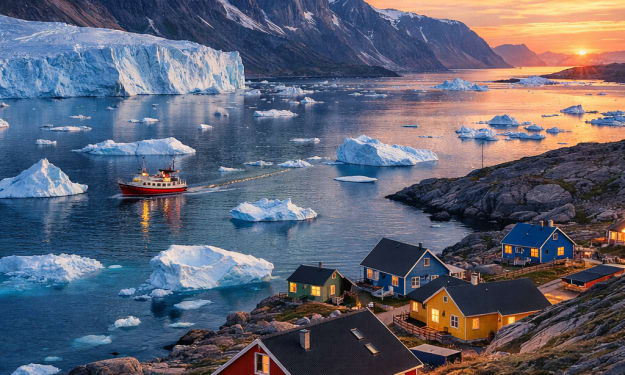
Greenland The World’s Largest Island of Ice Nature and Mystery Greenland is one of the most fascinating places on Earth, known for its vast ice sheets, dramatic landscapes, and unique culture. It is the largest island in the world, located between the Arctic and Atlantic Oceans. Many people search for information about Greenland because of its extreme climate, political status, natural resources, and growing importance in global discussions about climate change.
By America today 3 months ago in Earth
Frozen Pipes. AI-Generated.
As winter temperatures continue to dip across the UK, British Gas has issued a clear warning to households: frozen pipes are becoming an increasingly common and costly problem. While icy mornings may feel familiar, the damage caused by frozen pipes often arrives unexpectedly, disrupting daily life and leading to expensive repairs. The warning serves as a timely reminder that preparing your home for cold weather is not just sensible—it’s essential. Frozen pipes are not a new issue, but changing weather patterns, older housing stock, and rising energy costs have made them a growing concern. British Gas engineers report a surge in callouts every winter, many of which could have been avoided with basic preventative measures. Why Frozen Pipes Are Such a Serious Problem When water freezes inside a pipe, it expands. This expansion puts pressure on the pipe walls, increasing the risk of cracks or bursts. The most dangerous part is that the damage often becomes visible only when the ice melts. Suddenly, water begins leaking—sometimes flooding homes within minutes. According to British Gas, burst pipes are one of the most common causes of winter home emergencies. Repairs can range from simple fixes to major structural work, depending on how quickly the problem is discovered. In severe cases, homeowners may face damaged flooring, ruined furniture, and mould growth long after the pipe itself has been repaired. Which Homes Are Most at Risk? British Gas highlights that certain properties are more vulnerable to frozen pipes than others. Homes with older plumbing systems, poorly insulated lofts, or exposed pipework face a higher risk. Pipes located in garages, basements, lofts, or external walls are particularly susceptible to freezing temperatures. Unoccupied homes are another major concern. When heating systems are switched off entirely—common during holidays or long absences—pipes are left unprotected. British Gas warns that many winter emergencies occur in properties where no one is home to notice the early signs of freezing. The Hidden Cost of Frozen Pipes Beyond the inconvenience, frozen pipes can have significant financial consequences. Emergency callouts, plumbing repairs, and water damage restoration can cost hundreds or even thousands of pounds. Insurance claims may help, but policies often require homeowners to demonstrate that reasonable precautions were taken. British Gas notes that many claims are rejected because homes were left without adequate heating or pipe insulation. This makes prevention not only practical but financially wise. British Gas Advice on Preventing Frozen Pipes To help households avoid winter disasters, British Gas has shared several practical recommendations. These steps are simple, affordable, and effective when taken early. One of the most important tips is maintaining a low, consistent level of heating. Even when you’re away, keeping the thermostat set to a minimum temperature can prevent pipes from freezing. British Gas advises against turning heating off completely during cold spells. Insulating pipes is another key measure. Foam pipe insulation is inexpensive and easy to install, yet it significantly reduces heat loss. Insulating lofts and water tanks also provides added protection during prolonged cold weather. Letting taps drip slightly during extreme cold can also help. While it may seem wasteful, moving water is less likely to freeze. British Gas suggests this as a short-term solution during severe temperature drops. What to Do If You Suspect a Frozen Pipe Recognising the early signs of frozen pipes can make a big difference. Reduced water flow, strange noises from taps, or visible frost on pipework are all warning signals. British Gas recommends acting quickly if any of these signs appear. The first step is to turn off the water supply to prevent further damage. If it’s safe to do so, gently warming the affected pipe using a hot water bottle, warm towels, or a hairdryer on a low setting may help. Open flames should never be used, as they pose a serious fire risk. If the pipe has burst or you’re unsure how to handle the situation, contacting a qualified engineer is essential. British Gas encourages homeowners not to attempt complex repairs themselves, as improper fixes can worsen the damage. Energy Efficiency and Pipe Protection Go Hand in Hand British Gas also emphasizes that protecting pipes aligns closely with improving overall energy efficiency. Well-insulated homes retain heat better, reducing the strain on heating systems and lowering energy bills. Simple upgrades like draught-proofing doors and sealing gaps around windows can help maintain indoor temperatures and protect pipework. As energy costs remain a concern for many households, British Gas encourages homeowners to view pipe protection as part of a broader approach to winter efficiency. Preventative maintenance today can prevent financial stress tomorrow. A Seasonal Reminder Worth Taking Seriously Frozen pipes may not be the first thing people think about when winter arrives, but British Gas’s warning highlights how quickly a small issue can turn into a major problem. The good news is that most frozen pipe incidents are preventable with foresight and basic home care. By keeping homes heated, insulating vulnerable areas, and staying alert to early warning signs, households can significantly reduce their risk. British Gas’s message is clear: preparation is far easier and cheaper than emergency repairs. As winter continues, taking a few simple steps now can protect your home, your comfort, and your peace of mind—no matter how low the temperature drops.
By Saboor Brohi 3 months ago in Earth
Grassland: Facts, Ecosystem, Climate, Species, and Conservation
Grasslands are open landscapes of grasses and form a vital part of global biomes and Earth landscapes. These landscapes are among the most extensive and ecologically important terrestrial ecosystems on Earth. Grasslands cover roughly 20 to 40 percent of the planet’s land surface, excluding Antarctica, and occur across multiple continents in both tropical and temperate regions.
By Mountains Curve3 months ago in Earth
The Bench That Faced the River
The bench had been there longer than anyone could remember. It sat at the edge of the riverwalk, facing the slow-moving water, its paint chipped and its wood smoothed by years of weather and waiting. People passed it every day—joggers, couples, tourists with cameras—but only a few ever sat down.
By Yasir khan3 months ago in Earth
The Richest Impact Craters on Earth: How Asteroids Created Geological Wealth
1. Vredefort Crater – South Africa The Creator The Vredefort Crater was created about 2 billion years ago by an asteroid estimated to be 10–15 kilometers wide. The collision released energy greater than billions of nuclear bombs.
By Say the truth 3 months ago in Earth
The Wolf Moon Full Moon. AI-Generated.
The night sky offers a moment of calm brilliance known as the Wolf Moon full moon. It rises quietly, yet it has a way of capturing attention across cultures, calendars, and generations. As people look up and ask “is it a full moon tonight?” or check their phones for the moon phase, the Wolf Moon reminds us that even in the coldest month of the year, nature still has something warm and meaningful to share. What Is the Wolf Moon? The Wolf Moon is the traditional name for the January full moon. Its name is believed to come from Indigenous and early European traditions, inspired by the howling of wolves heard during long winter nights. While wolves don’t howl because of the moon itself, the imagery stuck, turning the full moon wolf moon into a symbol of survival, endurance, and quiet strength. When people wonder “when is the full moon?” in January, they’re usually referring to this lunar event. In January full moon 2026, the Wolf Moon once again becomes the first full moon of the year, setting the emotional and visual tone for the months ahead. Wolf Moon 2026: Why It Feels Special The wolf moon 2026 carries extra interest because many skywatchers are paying closer attention to lunar cycles than ever before. Questions like “is it a full moon today?” or “moon tonight?” trend frequently during January as people reconnect with natural rhythms. While not every January full moon is a supermoon 2026, the Wolf Moon often appears brighter than expected because of crisp winter skies. In colder regions, the air tends to be clearer, making the moon today feel sharper and more dramatic as it rises above the horizon. Is It a Full Moon Tonight? One of the most common questions surrounding this time of year is “is it full moon tonight?” The answer depends on your location and time zone, especially for viewers searching for the next full moon UK or checking full moon UK calendars. A full moon occurs at one precise moment, but it appears full to the naked eye for about three nights. That’s why people often ask “is it full moon tonight” or “is it a full moon today” even if the exact peak already passed. During January, that glowing disc is almost always associated with the Wolf Moon, even if it’s slightly before or after its peak. The January Full Moon 2026 in the UK For skywatchers searching full moon January 2026 UK or full moon jan 2026, the Wolf Moon will be visible across the country, weather permitting. In the UK, winter moons often rise earlier in the evening, making them easier to spot without staying up late. Those checking “moon phase” apps or searching “moon tonight” will notice how quickly the moon dominates the dark January sky. With fewer daylight hours and longer nights, the full.moon feels more present, more watchful, and harder to ignore. Why January’s Full Moon Feels Different The january full moon stands apart from others in the year. Unlike summer moons, which compete with long evenings and fading sunsets, the Wolf Moon rises into deep darkness. This contrast makes it feel larger, brighter, and emotionally heavier. It’s also a reflective time. Many people use the full moon today as a moment to pause, set intentions, or simply breathe after the rush of the holidays. When someone asks “when is full moon?” in January, they’re often looking for more than a date—they’re looking for a moment of stillness. Moon Phases and the Wolf Moon’s Place Understanding the moon phase helps explain why the Wolf Moon feels so complete. It follows the new moon, first quarter, and waxing gibbous phases before reaching fullness. Afterward, it slowly fades into the waning phases, symbolizing release and rest. This cycle makes the full moon 2026 in January feel like a turning point—not just astronomically, but emotionally. It’s the first full expression of the year, quietly asking us what we want to carry forward and what we’re ready to leave behind. Looking Ahead: Full Moon 2026 and Beyond As people search for full moon 2026 dates throughout the year, the Wolf Moon remains a favorite. It doesn’t rely on spectacle alone. There are no fireworks in the sky, no dramatic colors like an eclipse—just a steady, luminous presence. Whether you’re checking “is it full moon today”, planning to photograph the moon, or simply stepping outside to look up, the Wolf Moon offers a reminder that even in silence, there is beauty. Final Thoughts The Wolf Moon full moon is more than just January’s lunar event. It’s a symbol of endurance, clarity, and quiet beginnings. In January full moon 2026, as questions like “is it a full moon tonight?” circulate once again, the answer lies not just in calendars or apps—but in taking a moment to look up. Sometimes, the most powerful things don’t shout. They glow patiently in the winter sky, waiting for us to notice.
By Saboor Brohi 3 months ago in Earth