science
The science of staying young, healthy, and in-shape.
We've got nothing else left to lose
“Happy birthday to you, dear Sarah, happy birthday to you!” Nearly a hundred people gathered at the park to sing to her. Sarah looked out over her many friends and several generations of family. Since 2051, cellular regenerative technology had improved the health of the human population as well as extend their lifespans. Studies were still ongoing, but she didn’t seem to age after her 70s; wrinkles stopped forming and the aches and pains of getting older were much delayed. Sarah could do just about everything she could always do like attend her own birthday party.
By Barb Dukemanabout a year ago in Longevity
🌊 The Sound of Silence. AI-Generated.
Introduction: The Noise We Can’t Escape Silence is rare. From the moment we wake up, our world is filled with noise—notifications buzzing, conversations overlapping, music playing in the background. Even in moments of quiet, our minds are loud, filled with thoughts, worries, and distractions.
By Ahmet Kıvanç Demirkıranabout a year ago in Longevity
9 Things Highly Disciplined People Never Allow in Their Lives. AI-Generated.
9 Things Highly Disciplined People Never Allow in Their Lives Discipline is the key to success. Highly disciplined people are not just good at sticking to routines; they actively avoid behaviors and habits that hinder their growth and productivity. They make conscious choices every day to maintain focus, achieve goals, and lead a balanced life.
By Adnan Rasheedabout a year ago in Longevity
Implants
The quahog clam can live for over 500 years. There is a fig tree in Sri Lanka that is at least 2,200 years old. High in the Andes Mountains, there is a shrub believed to be over 3000. Some of the corals off the coast of Hawaii are nearly 5,000 years old. With a life span of about 15,000 years, the glass sponges take the title of the longest living creature on earth. Where do humans fall on this list.
By David E. Perryabout a year ago in Longevity
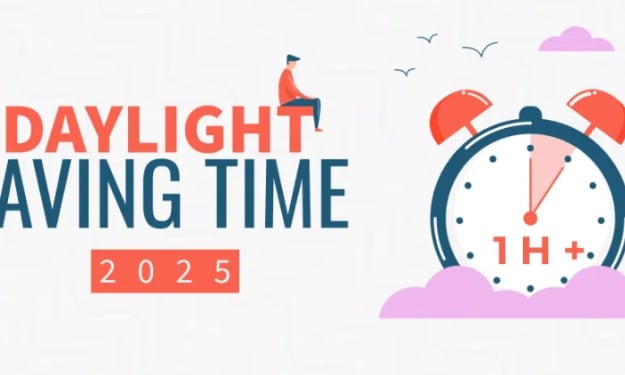
Dark Side of Daylight Saving Time: Health Risks You Should Know
For many, Daylight Saving Time (DST) is just an annual routine—losing an hour of sleep in spring, gaining it back in fall. But what if we told you that this seemingly harmless time shift could have real consequences for your health? Studies suggest that DST can lead to a range of health issues, from sleep disturbances to serious cardiovascular risks. Let’s explore the darker side of this seasonal clock adjustment.
By Bevy Osuosabout a year ago in Longevity
⏳ The Illusion of Time: Why Life Moves Faster Than We Realize. AI-Generated.
Introduction: “Where Did the Time Go?” One moment, you’re a child playing in the summer sun. The next, you’re staring at a calendar, wondering how another year vanished in the blink of an eye.
By Ahmet Kıvanç Demirkıranabout a year ago in Longevity
The New Isolation
Renée Niemann the veterinarian was as wise and learned as any septuagenarian could be, but she didn’t look any older than she did when she was thirty-five. Telomorphing was available but optional and over half submitted to it. It wouldn’t grow new limbs, but if one were lucky enough to live life intact, one could look forward to a youthful appearance and feel for at least 120 years. Even those at the end of the bell curve, at about 150 years life expectancy, didn’t look any older than sixty or seventy.
By Gerard DiLeoabout a year ago in Longevity